Wrist Pain Management Focused on Function, Precision, and Non-Surgical Relief

At Regen Axis Health, we provide physician-led wrist pain care for patients who want a clear diagnosis and non-surgical treatment options designed to restore comfortable movement. The wrist is a complex structure of small bones, ligaments, tendons, and nerves, and pain can come from many different sources, including overuse, inflammation, arthritis, nerve compression, or prior injury. Our board-certified physicians take a regenerative-first approach that prioritizes identifying what is truly driving symptoms and building a plan that supports healing and long-term function. If you are looking for wrist pain management in Brooklyn, schedule a consultation with Regen Axis Health today.

Call Regen Axis Health to schedule a wrist evaluation and get a clear plan for restoring comfort and strength.

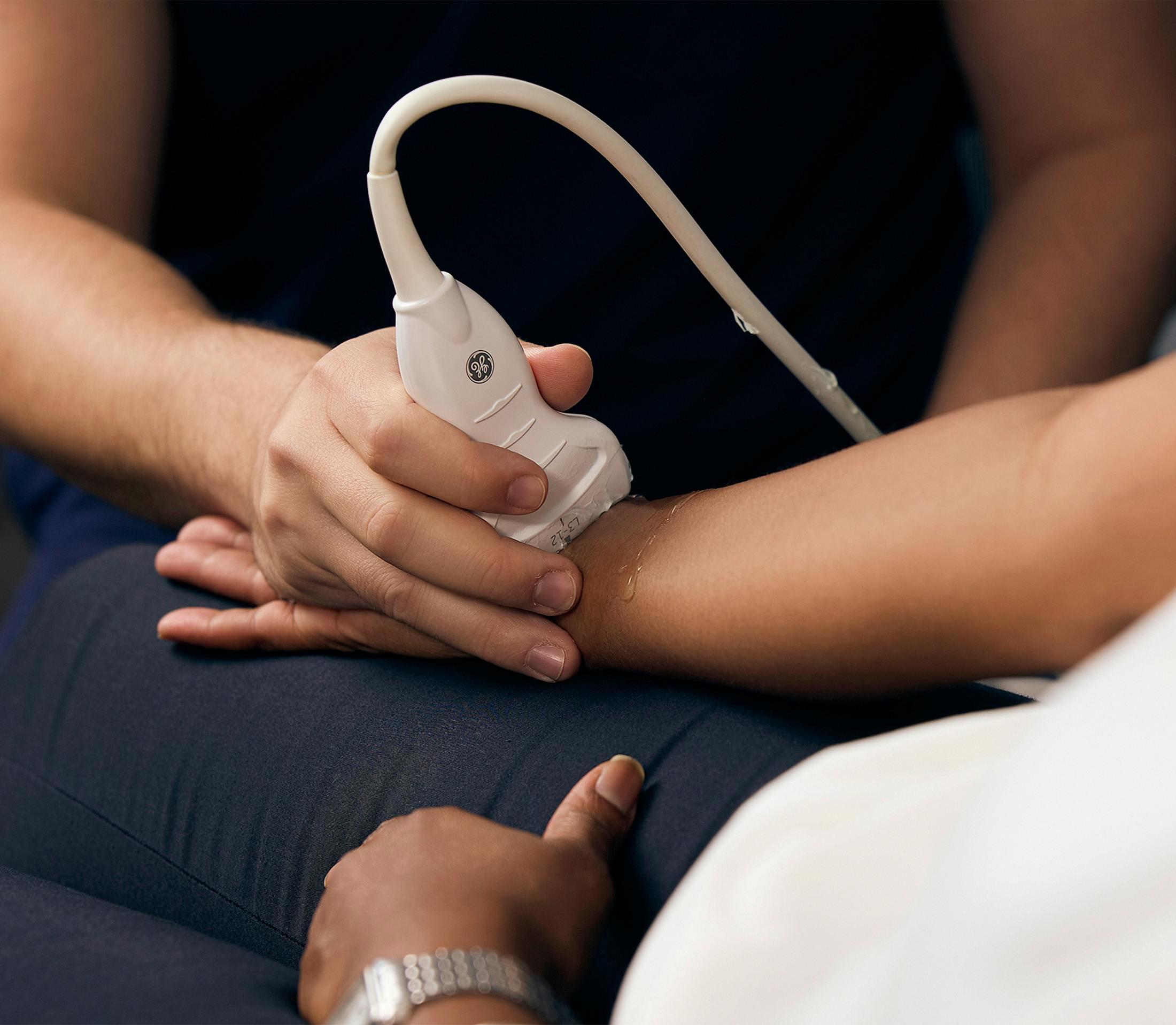
A patient during a wrist treatment

Why Wrist Pain Is So Common

The wrist is one of the most frequently stressed joints in the body. It absorbs impact, supports repetitive motion, and plays a role in nearly every upper-body activity, from sports and workouts to daily tasks like carrying bags or using a phone.

Unlike larger joints, the wrist has limited space and many small moving parts. That means even minor inflammation can create noticeable pain, stiffness, or weakness. For many patients, wrist pain is not a single issue, but a combination of tendon irritation, joint inflammation, and mechanical stress.At Regen Axis Health, our focus is on identifying the primary driver of pain so treatment is targeted rather than generalized.


Common Causes of Wrist Pain

Wrist pain can develop gradually or appear suddenly after injury. In Brooklyn, we commonly see wrist pain related to repetitive use, work demands, sports, and long-term joint changes.

Overuse and Tendon Inflammation

Repetitive motion can irritate the tendons that cross the wrist, leading to inflammation and pain with gripping or lifting. This is common in patients who type, lift weights, use tools, or perform repetitive hand motions.

Arthritis and Degenerative Changes

Arthritis can affect the wrist joint, particularly in patients with a history of injury or long-term wear and tear. Degenerative changes may lead to stiffness, swelling, and pain that worsens with activity.

Ligament Strain or Instability

Wrist ligaments stabilize small bones. A sprain or subtle instability can lead to ongoing discomfort, weakness, or pain during rotation and loading.

Nerve Compression

Certain wrist pain patterns are caused by nerve irritation or compression. Carpal tunnel syndrome is one of the most common, but other nerve issues can also cause burning pain, tingling, or numbness.

Post-Traumatic Wrist Pain

A prior fracture, dislocation, or ligament injury can change joint mechanics and increase the risk of chronic pain over time.

Symptoms That May Point to a Wrist Problem

Wrist pain often affects function more than patients expect. Symptoms may feel mild at rest but flare with activity, or they may remain constant and limit daily tasks. Common symptoms include:

  • Tingling, numbness, or burning sensations in the hand or fingers
  • Pain when gripping, lifting, or pushing off the wrist
  • Stiffness or reduced range of motion
  • Swelling or tenderness around the joint
  • Weakness or loss of grip strength
  • Clicking, catching, or a feeling of instability

If symptoms include significant swelling, deformity, or sudden weakness after injury, prompt evaluation is important.

How Wrist Pain Can Affect Daily Life

Wrist pain can limit more than exercise. Many patients find that pain affects work performance, productivity, and independence. Typing, cooking, carrying groceries, lifting a child, or opening jars can become uncomfortable. Over time, patients may unconsciously compensate by changing how they use their hand, shoulder, or elbow. This can create secondary strain and lead to a broader pattern of discomfort throughout the arm. Regen Axis Health approaches wrist pain with the goal of restoring confidence in movement, not just reducing pain temporarily.

Same-day appointments. Walk-ins welcome. Relief starts now.

How We Evaluate Wrist Pain at Regen Axis Health

Wrist pain treatment in Brooklyn at Regen Axis Health begins with a physician-led evaluation. Because wrist pain can come from multiple structures, accurate diagnosis is essential before recommending treatment. Your evaluation may include:

  • A detailed discussion of symptoms, activities, and injury history
  • A physical exam assessing range of motion, stability, and tendon involvement
  • Review of imaging, such as X-rays or MRI when appropriate
  • Evaluation of nerve symptoms such as tingling, numbness, or weakness
  • Assessment of contributing biomechanics from the elbow, shoulder, or neck

This allows our physicians to determine whether pain is joint-driven, tendon-driven, nerve-driven, or a combination.

Wrist Pain Treatment Options at Regen Axis Health

Regen Axis Health provides non-surgical wrist pain treatment in Brooklyn with a regenerative-first mindset. Treatment plans are built around restoring tissue health, reducing inflammation, and improving function.

Regenerative Injection Therapies

For certain tendon or joint issues, regenerative injections may be considered to support healing and improve tissue environments. Options may include PRP-based treatments depending on diagnosis and clinical appropriateness.

Joint and Soft Tissue Support

When wrist arthritis or joint inflammation is present, treatment may focus on reducing inflammatory stress and improving comfort during movement. This can include targeted therapies designed to calm the joint environment and support long-term function.

Nerve-Focused Care

If wrist pain is related to nerve compression, such as carpal tunnel syndrome, treatment may include nerve-focused strategies designed to reduce irritation and support nerve function.

Shockwave and Supportive Therapies

For chronic tendon pain or stubborn inflammation, shockwave therapy may be recommended as part of a broader plan. Red light therapy and photomodulation may also be used to support cellular recovery and tissue healing.

Recovery and Healing Timeline After Wrist Pain Treatment

Recovery depends on the cause of wrist pain and the type of treatment used. Some patients improve quickly once inflammation is reduced, while others require a more gradual healing process. 

In many cases, patients notice:

  • Less pain with gripping and daily activity
  • Gradual return of strength and stability
  • Reduced flare-ups during work, exercise, or repetitive motion
  • Improved wrist mobility and comfort

Our team monitors progress and adjusts the plan as needed, especially for patients whose symptoms are tied to lifestyle demands or repetitive strain.

Doctor media

Why Choose Regen Axis Health?

Regen Axis Health is led by Dr. Leon Reyfman and supported by a team of board-certified physicians focused on regenerative, non-surgical musculoskeletal care. We take a diagnostic-first approach to wrist pain management in Brooklyn, with physician-led treatment plans designed to restore function and support long-term movement.

With high-access scheduling and multiple locations, Brooklyn patients can receive specialized care without unnecessary delays. Schedule your visit with Regen Axis Health today and take the next step toward stronger, more comfortable wrist movement.

Frequently Asked Questions Wrist Pain Management

Is wrist pain always caused by carpal tunnel syndrome?

No. Carpal tunnel syndrome is a common cause of wrist and hand symptoms, but wrist pain can also come from tendon inflammation, arthritis, ligament injury, or joint instability. A physician evaluation helps clarify the true source.

When should I see a doctor for wrist pain?

If pain lasts longer than a couple of weeks, worsens with daily activity, or includes numbness, weakness, or swelling, it is worth having the wrist evaluated. Early diagnosis can prevent long-term compensation and worsening symptoms.

Can wrist pain be treated without surgery?

Yes. Many wrist conditions respond well to non-surgical care, especially when inflammation and tissue irritation are addressed early. Regen Axis Health offers regenerative and supportive therapies designed to restore function.

How long does it take to heal from chronic wrist pain?

The timeline depends on the underlying cause. Tendon irritation may improve over several weeks, while arthritis or instability may require longer-term management. Most patients see gradual improvement when treatment is consistent and targeted.

Do I need imaging for wrist pain?

Not always, but imaging can be helpful in certain cases, especially when arthritis, ligament injury, or structural damage is suspected. Your physician will determine whether imaging is appropriate based on your symptoms and exam.

Contact us media
Accessibility: If you are vision-impaired or have some other impairment covered by the Americans with Disabilities Act or a similar law, and you wish to discuss potential accommodations related to using this website, please contact our Accessibility Manager at (718) 970-7255.
Contact Us