When Back Surgery Doesn’t Resolve the Pain, a Regenerative Perspective Matters

Failed back surgery is not a single diagnosis, but a term used to describe ongoing or worsening pain after a spinal procedure. Many patients are surprised to learn that persistent symptoms are often not coming from the surgical site itself, but from adjacent structures such as nerves, discs, or the sacroiliac (SI) joints. At Regen Axis Health, our board-certified physicians specialize in identifying the true source of post-surgical pain and offering regenerative, non-surgical solutions designed to restore function and prevent additional surgery.

Schedule a consultation with Regen Axis Health to explore a different path forward after back surgery.

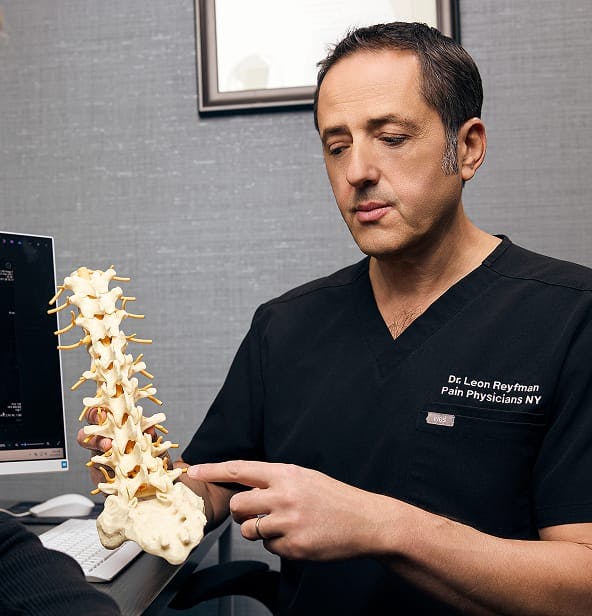
doctor examining a patient

Understanding Failed Back Surgery

Failed back surgery, sometimes called failed back surgery syndrome, refers to continued pain, stiffness, or neurologic symptoms following spinal surgery. This may include procedures such as discectomy, laminectomy, spinal fusion, or decompression. Importantly, “failed” does not mean the surgery was done incorrectly.

In many cases, surgery addressed one structural issue but left other contributors untreated or created new biomechanical stresses elsewhere in the spine and pelvis. At Regen Axis Health, we focus on understanding why pain persists and how to address it without repeating the same cycle.


Same-day appointments. Walk-ins welcome. Relief starts now.

Common Causes of Pain After Back Surgery

Persistent pain after spine surgery can develop for several reasons, including:

  • Residual or recurrent nerve irritation, often related to scar tissue or ongoing compression
  • Degenerative disc disease that continues to progress
  • Scar tissue formation, which may tether or irritate nerves
  • Adjacent segment degeneration, where nearby discs or joints take on increased stress
  • Facet joint overload, especially after fusion or altered spinal mechanics
  • Sacroiliac (SI) joint dysfunction, one of the most commonly overlooked causes of post-surgical pain

Among these, SI joint dysfunction is especially important to recognize. After lumbar surgery or fusion, normal spinal motion changes, often transferring stress to the SI joints at the base of the spine.

The Role of Sacroiliitis and SI Joint Dysfunction

The sacroiliac joints connect the spine to the pelvis and play a critical role in load transfer during standing, walking, and lifting. When spinal mechanics change after surgery, the SI joints may absorb increased forces, leading to inflammation and pain, a condition known as sacroiliitis.

SI joint dysfunction can closely mimic low back pain or sciatica, causing:

  • Deep pain in the lower back, buttocks, or hips
  • Pain that worsens with standing, walking, or transitioning from sitting to standing
  • Discomfort when climbing stairs or rolling in bed
  • Pain that may radiate into the thigh or groin

Because SI joint pain can resemble disc or nerve pain, it is frequently misdiagnosed or missed entirely. Regen Axis Health places strong emphasis on evaluating SI joint involvement in patients with persistent pain after back surgery.

Banner media

Symptoms of Failed Back Surgery

Symptoms vary depending on the underlying cause but often include:

  • Ongoing low back or neck pain despite surgery
  • Pain that feels different than before surgery
  • Radiating pain, numbness, or tingling in the legs
  • Stiffness or instability with movement
  • Pain that worsens with prolonged standing or walking
  • Limited tolerance for activity or exercise

These symptoms can significantly impact confidence, mobility, and emotional well-being, particularly when patients feel they have already “tried everything.”

person running up stairs that have lights on them

How Failed Back Surgery Affects Daily Life

Living with persistent pain after surgery can be frustrating and isolating. Many patients limit movement out of fear of worsening symptoms, leading to muscle weakness, reduced endurance, and further biomechanical stress.

Traditional care often suggests additional surgery, long-term medications, or ongoing steroid injections. Regen Axis Health offers a different approach—one focused on identifying overlooked pain generators, calming inflammation, and restoring balanced movement through regenerative care.

How We Evaluate Failed Back Surgery at Regen Axis Health

Care begins with a comprehensive, second-look evaluation. At Regen Axis Health, this includes:

  • A detailed review of surgical history and prior imaging
  • A focused physical and neurologic examination
  • Assessment of spinal mechanics, posture, and pelvic alignment
  • Targeted evaluation of the SI joints and surrounding structures
  • Diagnostic injections when appropriate to confirm pain sources

This methodical process allows us to pinpoint whether pain is coming from nerves, discs, facet joints, SI joints, or a combination of factors.

Banner media
Contact us media

“Dr Reyfman is very patient and kind. He listens to you and talks to you about your pain. He wants to get to know you and understand what your needs are. Overall great experience. I would recommend him to anyone!”

Justin Hamilton

Contact us media

Failed Back Surgery Treatments at Regen Axis Health

Regen Axis Health follows a regenerative-first clinical model. Our treatments are designed to address the true drivers of post-surgical pain while avoiding unnecessary repeat surgery.

Regenerative Treatment for SI Joint Dysfunction

When sacroiliitis or SI joint dysfunction is identified, treatment may include:

  • PRP injections into the SI joint to reduce inflammation and support joint stability
  • Targeted regenerative injections to surrounding ligaments that support pelvic alignment
  • Ozone therapy in select cases to address inflammatory joint environments

These treatments aim to restore balanced load transfer between the spine and pelvis.

Regenerative Nerve Treatments

For patients with persistent nerve-related symptoms, options may include:

  • Epidural PRP to calm inflamed nerve roots
  • Nerve hydrodissection with PRP or platelet lysate to reduce nerve tethering from scar tissue
  • Targeted nerve blocks used diagnostically or therapeutically

These approaches focus on restoring nerve mobility and reducing chronic irritation.

Regenerative Disc and Spine Support

When disc or joint degeneration contributes to ongoing pain, treatment may include:

  • Intradiscal PRP to support disc health
  • Via Disc or disc repair techniques to improve disc environment
  • Facet joint PRP to address post-surgical joint overload
  • Regenerative laser reconstruction to support surrounding tissues

By addressing the entire spine–pelvis system, we reduce the risk of persistent or recurring pain.

Adjunctive Regenerative Therapies

To enhance recovery and long-term outcomes, treatment plans may incorporate:

  • Shockwave therapy for soft tissue support
  • Red light therapy and photomodulation to promote cellular recovery
  • Regenerative laser therapy for targeted tissue support

These therapies are integrated with movement guidance to help patients regain confidence in activity.

Background media

What Results Can Patients Expect?

Regenerative care for failed back surgery is designed to produce gradual, meaningful improvement. Many patients experience reduced pain, improved stability, and better tolerance for daily activities over time.

Progress depends on the underlying causes of pain, overall health, and commitment to movement and recovery strategies.Our team closely monitors outcomes and adjusts treatment plans to support lasting improvement and independence.

Doctor media

Why Choose Regen Axis Health?

Regen Axis Health was founded by Dr. Leon Reyfman, an internationally recognized leader in interventional pain and regenerative spine medicine, and is supported by a team of board-certified physicians experienced in complex post-surgical spine conditions. Every treatment is physician-led and grounded in a regenerative-first philosophy focused on identifying overlooked pain generators, including SI joint dysfunction, and preventing unnecessary repeat surgery. With high-access scheduling across multiple locations, Regen Axis Health offers a comprehensive path forward for patients navigating persistent pain after back surgery.

Explore a second-opinion, regenerative approach to failed back surgery by scheduling an evaluation with Regen Axis Health today.

Frequently Asked Questions Failed Back Surgery

Does failed back surgery mean the original surgery was done wrong?

No. Many surgeries address a specific problem successfully, but other pain sources, such as SI joint dysfunction, may emerge afterward.

Why wasn’t my SI joint evaluated before surgery?

SI joint pain can be difficult to distinguish from disc or nerve pain and is often overlooked without targeted evaluation.

Can regenerative treatment help years after surgery?

Yes. Many patients seek care long after surgery and still benefit from regenerative, non-surgical treatment.

Will I need another surgery?

Not necessarily. Many patients improve with regenerative care focused on nerves, joints, and biomechanics.

Is it safe to treat the spine after surgery?

When performed by experienced, board-certified physicians, regenerative treatments are carefully tailored to post-surgical anatomy and safety considerations.

Contact us media
Accessibility: If you are vision-impaired or have some other impairment covered by the Americans with Disabilities Act or a similar law, and you wish to discuss potential accommodations related to using this website, please contact our Accessibility Manager at (212) 235-1599.
Contact Us