Regenerative Care for Hip Pain Focused on Movement and Joint Preservation

The hip is a powerful, weight-bearing joint that plays a central role in balance, stability, and lower-body movement. Conditions such as osteoarthritis and labral tears can gradually reduce range of motion and cause persistent pain. At Regen Axis Health, our board-certified physicians provide advanced hip pain treatment  using regenerative, non-surgical solutions designed to reduce inflammation, support joint health, and help patients stay active without rushing into surgery.

Schedule a consultation with Regen Axis Health to explore a personalized approach to hip pain.

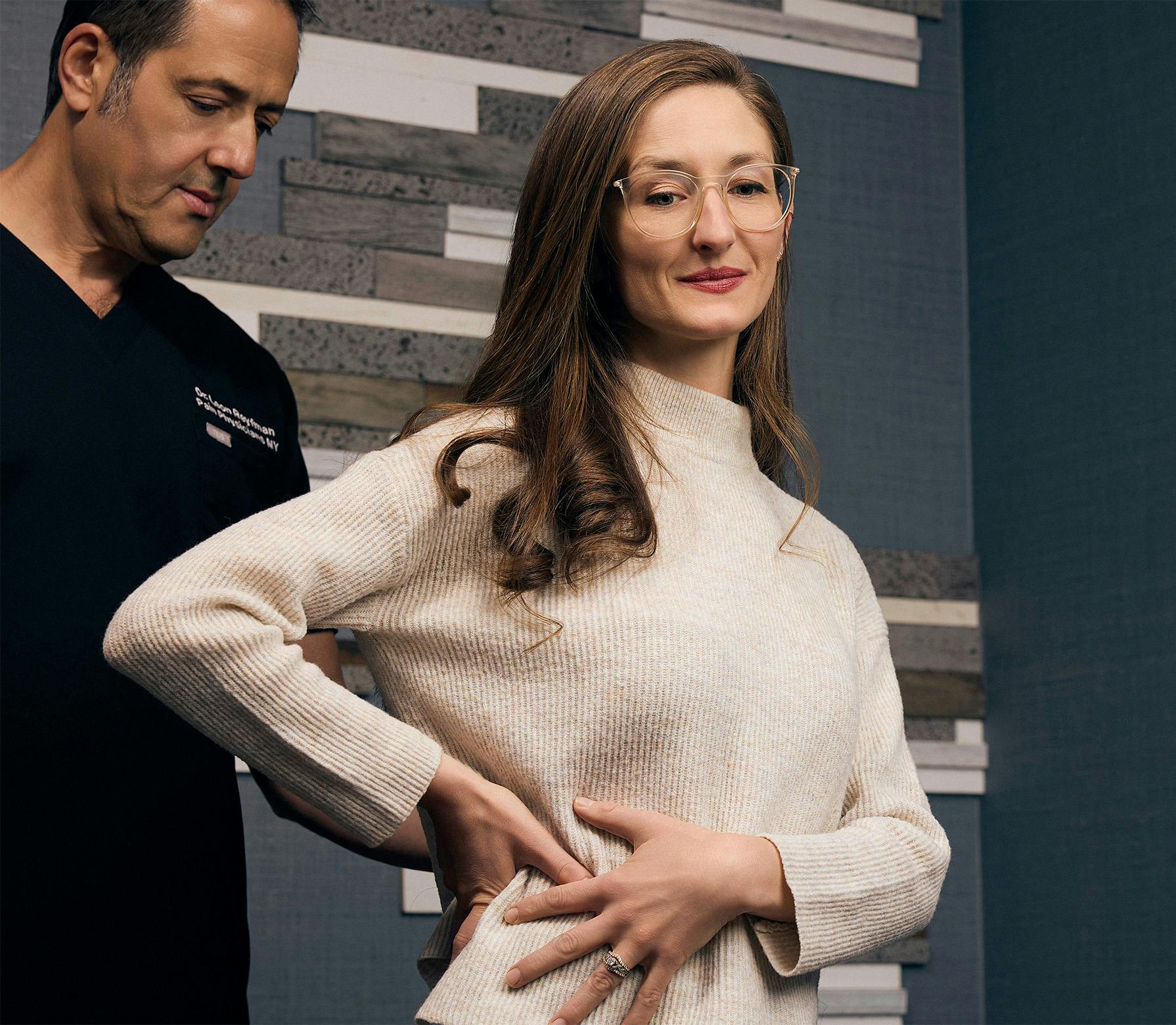
doctor examining a patient

Understanding Hip Pain

The hip joint is a ball-and-socket joint formed by the femoral head and the acetabulum of the pelvis. It is supported by cartilage, ligaments, muscles, and a ring of cartilage called the labrum, which helps stabilize the joint. Because the hip bears significant load during walking, standing, and athletic activity, even small structural issues can lead to discomfort and functional limitations.

Hip pain may develop gradually due to degeneration or suddenly after injury. At Regen Axis Health, hip pain is evaluated as a joint and biomechanical issue, often involving multiple tissues that must be addressed together.


Same-day appointments. Walk-ins welcome. Relief starts now.

Common Causes of Hip Pain

Hip pain may arise from several underlying conditions, most commonly:

  • Hip osteoarthritis (OA), caused by gradual cartilage breakdown within the joint
  • Labral tears, affecting the cartilage ring that stabilizes the hip socket
  • Repetitive stress or overuse, particularly in athletes or active adults
  • Prior hip injuries or surgery, which may alter joint mechanics
  • Poor alignment or movement patterns, increasing joint load
  • Muscle imbalances, affecting hip stability and control

These conditions may exist independently or together, making accurate diagnosis essential.

Hip Osteoarthritis Explained

Hip osteoarthritis develops when the smooth cartilage that cushions the joint wears down over time. As cartilage thins, joint surfaces experience increased friction, leading to inflammation, stiffness, and pain. Hip OA often progresses gradually and may initially present as stiffness or discomfort after activity. At Regen Axis Health, hip osteoarthritis is treated with a focus on joint preservation. The goal is to reduce inflammation, support cartilage health, and maintain mobility for as long as possible.

Background media

Labral Tears of the Hip

The hip labrum is a ring of cartilage that deepens the socket and helps stabilize the joint. Labral tears may occur due to trauma, repetitive motion, or structural abnormalities. These tears can cause pain, clicking, catching, or a feeling of instability in the hip.

Labral tears are commonly seen in active adults and athletes. While surgery is sometimes recommended, many labral injuries respond well to regenerative, non-surgical care when addressed early and appropriately.

Symptoms of Hip Pain

Hip pain symptoms can vary based on the underlying condition but often include:

  • Pain in the groin, outer hip, or buttock
  • Stiffness or reduced range of motion
  • Pain with walking, standing, or climbing stairs
  • Clicking, locking, or catching sensations
  • Discomfort during or after physical activity
  • Pain that worsens after prolonged sitting

As symptoms progress, hip pain may begin to alter gait and place added stress on the lower back and knees.

person running up stairs that have lights on them

How Hip Pain Affects Daily Life

Hip pain can interfere with many aspects of daily living, including exercise, work, and sleep. Activities such as walking long distances, traveling, or participating in fitness routines may become challenging. Many patients unconsciously adjust how they move to avoid pain, which can contribute to muscle weakness and joint imbalance.

Traditional treatment paths often emphasize pain medications, steroid injections, or eventual joint replacement. Regen Axis Health offers a regenerative alternative focused on preserving the hip joint, restoring movement, and supporting long-term function.

Banner media

How We Evaluate Hip Pain

At Regen Axis Health, evaluation includes:

  • A detailed discussion of symptoms, activity level, and injury history
  • A focused physical examination assessing hip motion and stability
  • Review of imaging, such as X-rays or MRI to evaluate cartilage, labrum, and joint space
  • Assessment of posture, gait, and movement mechanics

This comprehensive evaluation allows us to identify the specific structures involved and tailor treatment to your anatomy and goals.

Contact us media

“I came in with a pinched nerve and was seen by a doctor within minutes of arriving for my appointment. Everything about the practice is super professional. I was sent for an MRI and came back shortly after to get a shot for the pain. Everything was on time, no delays, just amazing!”

Leon L.

Contact us media

Hip Pain Treatments at Regen Axis Health

Regen Axis Health follows a regenerative-first clinical model. Our treatments are designed to calm inflammation, support joint and soft tissue healing, and improve hip function without defaulting to surgery.

Platelet-Rich Plasma (PRP) for Hip Pain

PRP therapy uses growth factors from your own blood to support tissue repair. For hip pain, PRP may be used to:

  • Reduce inflammation associated with hip osteoarthritis
  • Support healing in labral injuries
  • Improve joint lubrication and function

PRP injections are image-guided and performed by board-certified physicians.

Regenerative Joint Treatments for Hip Osteoarthritis

For patients with moderate to advanced hip OA, treatment may include:

  • Intra-articular PRP to support cartilage health
  • Bone marrow aspirate concentrate (BMAC) to deliver regenerative cells and growth factors
  • Adipose-derived cell therapy (MFAT) to provide cushioning and inflammatory modulation

These therapies aim to improve the joint environment and delay or avoid joint replacement.

Regenerative Care for Labral Tears

When labral injury is identified, treatment may include:

  • Targeted PRP injections to support labral tissue healing
  • Biologic joint support to improve stability and reduce inflammation

These approaches focus on preserving native joint structures and restoring functional movement.

Supportive Regenerative Therapies

To enhance outcomes and recovery, treatment plans may include:

  • Shockwave therapy to support surrounding soft tissues
  • Red light therapy and photomodulation to promote cellular recovery
  • Regenerative laser therapy for targeted tissue support

These therapies are often combined with movement guidance to protect the hip and prevent reinjury.

Background media

What Results Can Patients Expect?

Regenerative hip pain treatment is designed to produce gradual, meaningful improvement. Many patients experience reduced pain, improved mobility, and better tolerance for daily activities over time.

Results depend on condition severity, overall health, and adherence to movement and lifestyle recommendations.Our team monitors progress closely and adjusts care plans to support lasting hip function and independence.

Doctor media

Why Choose Regen Axis Health?

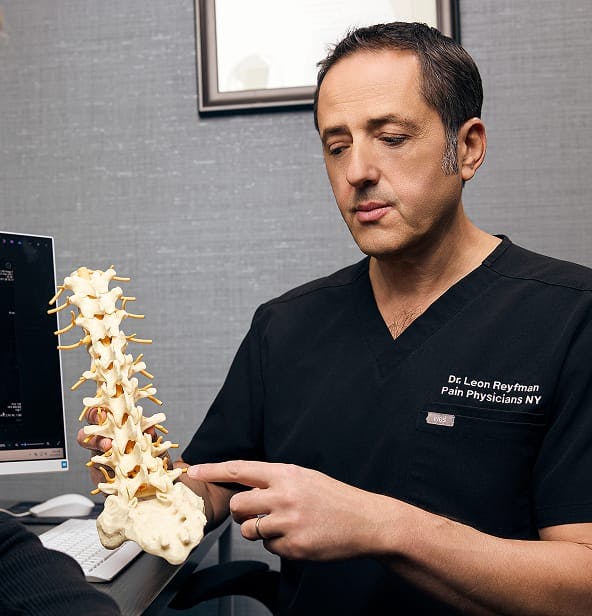
Regen Axis Health was founded by Dr. Leon Reyfman, an internationally recognized leader in interventional pain and regenerative joint care, and is supported by a team of board-certified physicians with advanced training in musculoskeletal medicine. Every treatment is physician-led and guided by a regenerative-first philosophy focused on preserving joints and preventing surgery. With high-access scheduling across multiple locations, Regen Axis Health delivers advanced hip pain treatment without the constraints of traditional orthopedic care models.

Take the next step toward restoring comfortable, confident movement by scheduling a regenerative hip evaluation with Regen Axis Health today.

Frequently Asked Questions Hip Pain

Is hip pain always caused by arthritis?

No. While arthritis is common, hip pain can also result from labral tears, tendon issues, or biomechanical imbalances. Proper evaluation is essential to identify the true cause.

Can labral tears heal without surgery?

Some labral tears respond well to regenerative treatment and activity modification, particularly when addressed early and before significant joint degeneration develops.

How long does it take to see improvement with regenerative hip treatment?

Many patients notice gradual improvement over several weeks to months as inflammation decreases and joint function improves.

Is hip replacement the only option for advanced hip arthritis?

Not always. Regenerative treatments may help reduce pain and improve function, potentially delaying the need for surgery in some patients.

Can I stay active during treatment for hip pain?

Yes. Activity is usually modified rather than eliminated, with guidance provided to protect healing tissues and support long-term joint health.

Contact us media
Accessibility: If you are vision-impaired or have some other impairment covered by the Americans with Disabilities Act or a similar law, and you wish to discuss potential accommodations related to using this website, please contact our Accessibility Manager at (212) 235-1599.
Contact Us