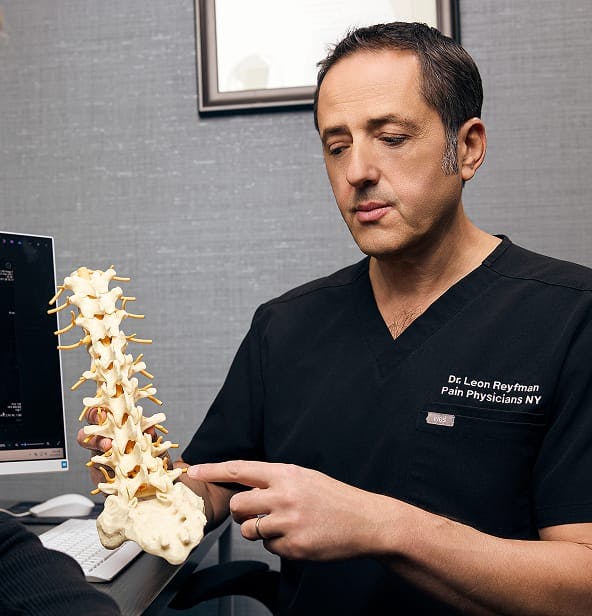
Regenerative Solutions for Knee Arthritis That Preserve Movement

Knee arthritis is one of the most common joint conditions affecting active adults and aging patients alike. Whether caused by wear and tear, prior injury, or inflammatory changes, knee arthritis can significantly limit mobility over time. At Regen Axis Health, our board-certified physicians specialize in regenerative, non-surgical care designed to reduce inflammation, support joint health, and help patients stay active. We offer advanced knee arthritis treatment for individuals seeking lasting relief without rushing into joint replacement surgery.

Schedule a consultation with Regen Axis Health to explore regenerative options for knee arthritis.

Understanding Knee Arthritis

Knee arthritis occurs when the cartilage that cushions the knee joint gradually breaks down. Cartilage allows the joint surfaces to glide smoothly, absorbing impact during walking, running, and bending. As this protective layer thins, bone-on-bone contact increases, leading to inflammation, stiffness, and pain.

The most common form of knee arthritis is osteoarthritis, a degenerative condition that develops over time. Rheumatoid arthritis and post-traumatic arthritis may also affect the knee, particularly in patients with autoimmune disease or a history of knee injury or surgery.

At Regen Axis Health, knee arthritis is treated as a biologic and mechanical condition. Rather than focusing only on pain relief, we work to improve the joint environment and preserve movement for as long as possible.

Banner media

Causes of Knee Arthritis

Knee arthritis often develops from a combination of factors, including:

  • Age-related cartilage degeneration
  • Repetitive joint stress from work, sports, or exercise
  • Previous knee injuries, such as ligament tears or meniscus damage
  • Poor joint alignment or biomechanics
  • Excess joint load, which accelerates cartilage wear
  • Inflammatory conditions, including rheumatoid arthritis

Post-Traumatic Knee Arthritis From Ligament and Meniscus Injuries

In many active patients, knee arthritis develops years after an injury such as an ACL tear, MCL injury, or meniscus damage. Even when these injuries are treated with surgery or rehabilitation, altered knee mechanics can place increased stress on cartilage over time. This accelerated wear often leads to post-traumatic arthritis, causing pain, stiffness, and instability long after the original injury has healed. As cartilage breaks down, the joint becomes inflamed and less stable, often triggering compensatory movement patterns that worsen symptoms over time.

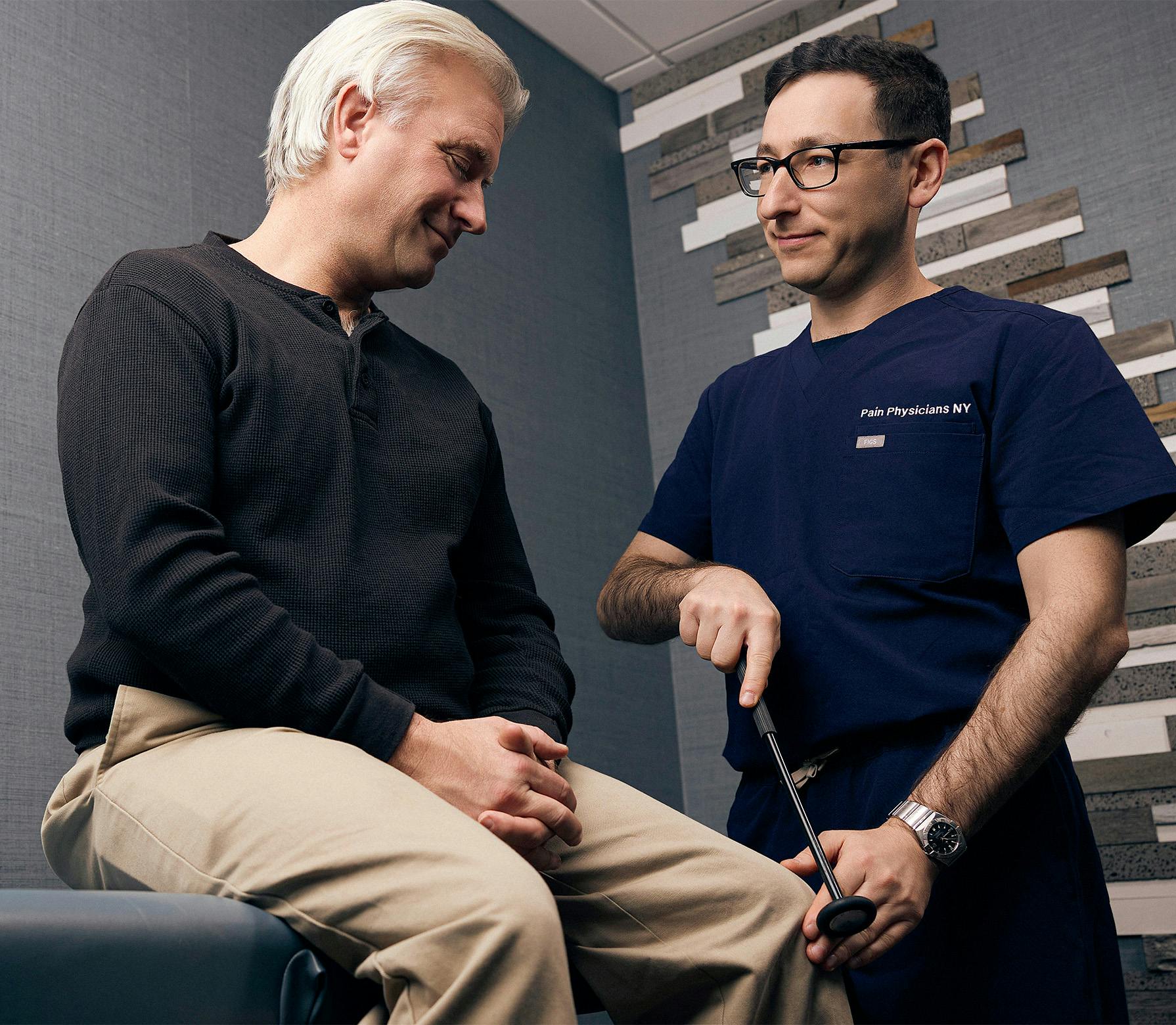
doctor testing a mans knee reflex

Symptoms of Knee Arthritis

Knee arthritis symptoms typically progress gradually and may fluctuate in severity. Common symptoms include:

  • Knee pain during walking, standing, or climbing stairs
  • Stiffness, especially in the morning or after sitting
  • Swelling or warmth around the joint
  • Reduced range of motion
  • Grinding or clicking sensations
  • Pain that worsens with activity and improves with rest

As arthritis advances, pain may become more constant and begin interfering with sleep, exercise routines, and daily independence.

How Knee Arthritis Affects Daily Life

Knee arthritis can significantly impact quality of life. Activities once taken for granted, such as walking the dog, traveling, or participating in fitness routines, may become difficult or uncomfortable. Many patients begin avoiding movement to prevent pain, which can lead to muscle weakness and further joint instability.

Traditional treatment paths often revolve around pain medications, steroid injections, or eventual knee replacement. Regen Axis Health was created to offer a regenerative alternative focused on joint preservation, movement, and long-term function.

How We Evaluate Knee Arthritis

At Regen Axis Health, treatment begins with a comprehensive evaluation, including:

  • A detailed discussion of symptoms, activity level, and goals
  • A focused physical examination of knee motion and stability
  • Review of imaging, such as X-rays or MRI to assess cartilage and joint space
  • Assessment of alignment, gait, and movement patterns

This approach allows us to identify the severity of arthritis and determine which regenerative strategies are most appropriate for your knee and lifestyle.

rain drops on a puddle

Same-day appointments. Walk-ins welcome. Relief starts now.

Contact us media

“Dr. Reyfman is very knowledgeable and a great doctor!”

Dylan Gillespie

Contact us media

Knee Arthritis Treatments at Regen Axis Health

Regen Axis Health follows a regenerative-first clinical model. Our treatments are designed to calm inflammation, support cartilage health, and improve joint function without defaulting to surgery.

Platelet-Rich Plasma (PRP) for Knee Arthritis

PRP therapy uses concentrated growth factors from your own blood to support healing within the joint. For knee arthritis, PRP may be used to:

  • Reduce inflammatory signaling
  • Support cartilage health
  • Improve joint lubrication and function

PRP injections are image-guided and performed by board-certified physicians.

Bone Marrow and Adipose-Derived Regenerative Treatments

For more advanced arthritis or cartilage damage, treatment may include:

  • Bone marrow aspirate concentrate (BMAC) to deliver regenerative cells and growth factors
  • Adipose-derived cell therapy (MFAT) to support joint cushioning and reduce inflammation

These biologic therapies are designed to improve the joint environment and support long-term function, including in patients whose arthritis developed after prior ACL, MCL, or meniscus injuries or surgery.

Intraosseous and Advanced Joint Treatments

When arthritis affects both cartilage and underlying bone, Regen Axis Health may recommend:

  • Intraosseous PRP or BMAC, targeting bone-related pain and degeneration
  • Intra-articular ozone therapy to reduce inflammatory joint environments

These approaches address deeper joint contributors often missed by surface-level treatments.

Supportive Regenerative Therapies

To enhance outcomes and maintain mobility, treatment plans may also include:

  • Shockwave therapy to support surrounding soft tissues
  • Red light therapy and photomodulation to promote cellular recovery
  • Regenerative laser therapy for targeted tissue support

These therapies are often paired with movement guidance to help protect the knee and improve long-term results.

Background media

What Results Can Patients Expect?

Regenerative knee arthritis treatment focuses on gradual, meaningful improvement. Many patients experience reduced pain, improved walking tolerance, and better joint stability over time.

Results depend on arthritis severity, overall health, and commitment to movement and lifestyle support.Our team closely monitors progress and adjusts care plans to support lasting joint health and independence.

Doctor media

Why Choose Regen Axis Health?

Regen Axis Health was founded by Dr. Leon Reyfman, an internationally recognized authority in interventional pain and regenerative joint care, and is supported by a team of board-certified physicians with advanced training in musculoskeletal medicine. Every procedure is physician-led and guided by a regenerative-first philosophy focused on preserving joints and preventing surgery.

With high-access scheduling across multiple locations, Regen Axis Health delivers advanced knee arthritis treatment without the limitations of traditional orthopedic care models.

Take the next step toward protecting your knee and restoring confident movement by scheduling a regenerative knee evaluation with Regen Axis Health today.

Frequently Asked Questions Knee Arthritis

Is knee arthritis always progressive?

Not necessarily. With regenerative care, movement guidance, and joint support, many patients slow the progression and maintain good function.

Can regenerative treatment help avoid knee replacement surgery?

In many cases, yes. Regenerative treatments may reduce pain and improve function, delaying or preventing the need for surgery.

How long does it take to see improvement?

Many patients notice gradual improvement over several weeks to months as inflammation decreases and joint function improves.

Is regenerative knee treatment painful?

Most procedures are well tolerated and performed with local anesthesia. Temporary soreness is common but typically short-lived.

Can I stay active with knee arthritis?

Yes. Appropriate, guided movement is often encouraged to maintain strength and protect joint health.

Contact us media
Accessibility: If you are vision-impaired or have some other impairment covered by the Americans with Disabilities Act or a similar law, and you wish to discuss potential accommodations related to using this website, please contact our Accessibility Manager at (212) 235-1599.
Contact Us