A Regenerative Strategy for Relieving Nerve Compression and Preserving Movement

Spinal stenosis is a common cause of chronic neck and back pain, particularly in adults who want to remain active and independent as they age. At Regen Axis Health, our board-certified physicians focus on regenerative, non-surgical care designed to relieve nerve compression and support spinal health without defaulting to surgery. We provide advanced spinal stenosis treatment for patients seeking long-term relief and restored mobility through science-backed regenerative solutions.

Schedule a consultation with Regen Axis Health to explore a personalized approach to spinal stenosis care.

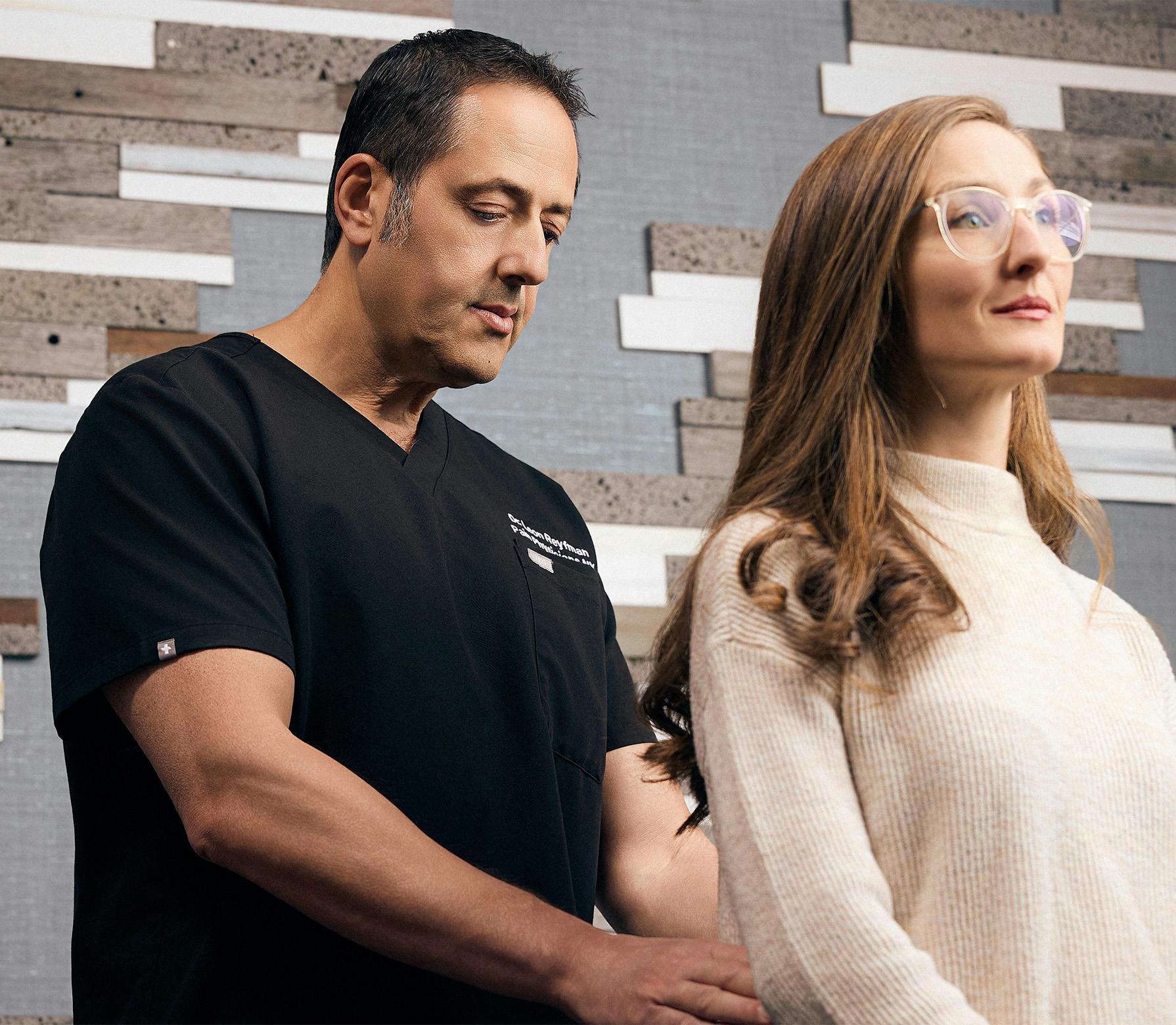
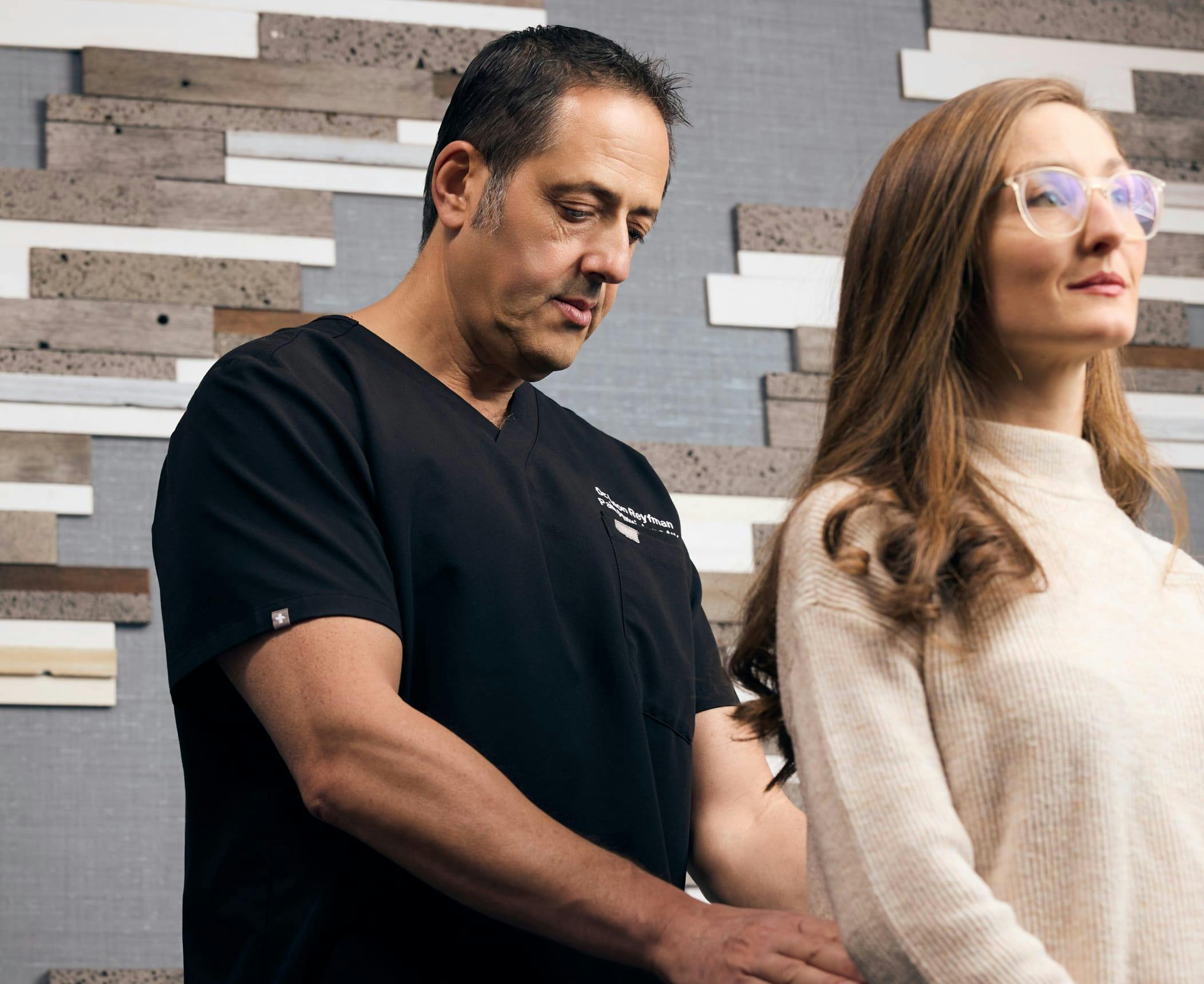
doctor examining a patient

Understanding Spinal Stenosis

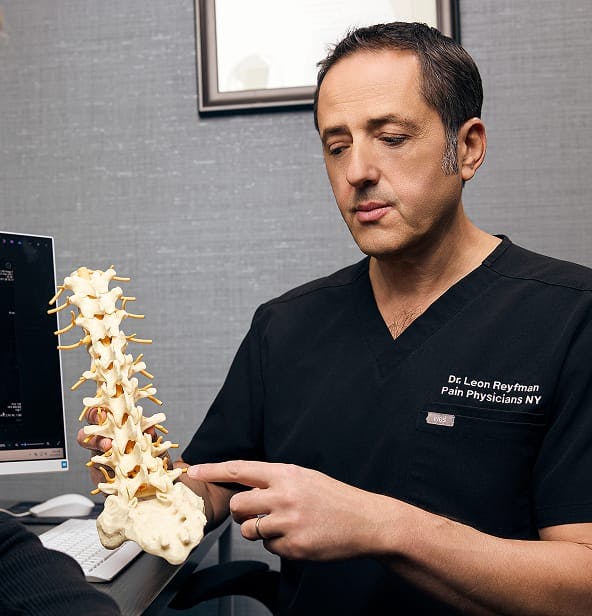
Spinal stenosis occurs when the spaces within the spine gradually narrow, reducing room for the spinal cord or nerve roots. This narrowing can place pressure on nerves, leading to pain, weakness, numbness, or balance issues. Spinal stenosis most commonly affects the cervical (neck) and lumbar (lower back) regions.

The condition often develops slowly as part of the natural aging process, but symptoms may not appear until nerve compression reaches a critical point. At Regen Axis Health, spinal stenosis is understood as a mechanical and inflammatory condition that can often be managed by addressing the underlying contributors rather than immediately pursuing surgical decompression.


Causes of Spinal Stenosis

Spinal stenosis rarely has a single cause. Instead, it usually results from a combination of degenerative changes, including:

  • Facet joint arthritis, which enlarges joints and encroaches on nerve space
  • Degenerative disc disease, leading to disc collapse and reduced spinal height
  • Bulging or herniated discs, which narrow nerve passageways
  • Thickening of spinal ligaments, reducing flexibility and space
  • Bone spurs, formed as the spine responds to joint degeneration
  • Previous spinal injury or surgery, which may alter spinal anatomy

These changes often occur together, progressively reducing the space available for nerves and increasing irritation with movement or prolonged standing.

Same-day appointments. Walk-ins welcome. Relief starts now.

Symptoms of Spinal Stenosis

Symptoms depend on the location and severity of stenosis. Common symptoms include:

  • Chronic neck or low back pain
  • Pain, numbness, or tingling radiating into the arms or legs
  • Weakness or heaviness in the legs, especially with walking
  • Cramping or aching in the calves or thighs
  • Difficulty standing upright for extended periods
  • Symptom relief when sitting or leaning forward

Many patients notice that walking tolerance gradually decreases, a pattern often referred to as neurogenic claudication. This can significantly limit daily activity and independence if left untreated.

How Spinal Stenosis Impacts Daily Life

Spinal stenosis can steadily reduce quality of life. Activities such as walking, exercising, shopping, or traveling may become increasingly challenging. Patients often plan their day around pain levels, seating availability, or proximity to rest areas.

Traditional treatment options frequently emphasize pain medications, steroid injections, or eventual surgery. Regen Axis Health offers an alternative approach—one focused on reducing nerve irritation, supporting spinal structures, and preserving mobility through regenerative care.

whispy plant

How We Diagnose Spinal Stenosis

Effective treatment begins with an accurate diagnosis. At Regen Axis Health, evaluation includes:

  • A detailed discussion of symptoms, walking tolerance, and activity limitations
  • A focused neurologic and musculoskeletal examination
  • Review of MRI or CT imaging to assess nerve space and spinal structures
  • Assessment of posture, spinal mechanics, and movement patterns

This comprehensive evaluation allows us to determine the severity of stenosis, identify contributing factors, and design a treatment plan tailored to your spine and lifestyle goals.

Banner media
Contact us media

“Dr. Reyfman has been managing my degenerative disc disease in the neck, and his injections have been super effective!”

Natalie Elliott

Contact us media

Spinal Stenosis Treatments at Regen Axis Health

Regen Axis Health follows a regenerative-first clinical model. Our treatments are designed to reduce inflammation, support spinal stability, and improve nerve function without defaulting to surgery.

Platelet-Rich Plasma (PRP) for Spinal Stenosis

PRP therapy uses concentrated growth factors from your own blood to support tissue healing and reduce inflammation. For spinal stenosis, PRP may be used in:

  • Epidural PRP to calm inflamed nerve roots affected by narrowing
  • Facet joint PRP when arthritic joints contribute to stenosis

These image-guided procedures are performed by board-certified physicians with advanced spine training.

Regenerative Spine and Disc Procedures

When discs and joints play a significant role in stenosis, treatment may include:

  • Intradiscal PRP to support disc health and reduce joint overload
  • Via Disc to improve disc environment and spinal height support
  • Intradiscal ozone therapy to reduce disc-related inflammation
  • Laser-based regenerative reconstruction to precisely target affected tissues

These procedures aim to relieve nerve pressure while preserving spinal anatomy.

Nerve-Focused Regenerative Treatments

Because stenosis directly affects nerve function, Regen Axis Health may recommend:

  • Epidural or nerve blocks used selectively for diagnostic and short-term relief
  • Nerve hydrodissection with PRP or platelet lysate to improve nerve mobility
  • Targeted facet joint treatments to reduce joint-driven compression

Our approach prioritizes restoring nerve health and reducing chronic irritation.

Supportive Regenerative Therapies

To enhance recovery and long-term outcomes, patients may benefit from:

  • Regenerative laser reconstruction
  • Shockwave therapy for supporting surrounding soft tissues
  • Red light therapy and photomodulation to promote cellular recovery
  • Ozone therapy in carefully selected cases

These therapies are integrated into a comprehensive plan focused on sustainable improvement.

Background media

What Results Can Patients Expect?

Regenerative spinal stenosis treatment is designed to create gradual, functional improvement. Many patients experience reduced pain, improved walking tolerance, and increased confidence in movement over time.

Results depend on the degree of narrowing, overall health, and adherence to movement and lifestyle guidance.Our team monitors progress closely and adjusts care plans to support long-term spinal health and independence.

Doctor media

Why Choose Regen Axis Health?

Regen Axis Health was founded by Dr. Leon Reyfman, an internationally recognized leader in interventional pain and regenerative spine medicine, and is supported by a team of board-certified physicians with advanced training in spine and nerve care. Every treatment is physician-led and grounded in a regenerative-first philosophy focused on restoring movement and preventing surgery. With high-access scheduling across multiple locations, Regen Axis Health delivers advanced spinal stenosis treatment without the delays of traditional hospital-based care.

Take the next step toward improved mobility by scheduling a regenerative spinal stenosis evaluation with Regen Axis Health today.

Frequently Asked Questions Spinal Stenosis

Is spinal stenosis always a surgical condition?

No. Many patients manage spinal stenosis effectively with regenerative, non-surgical care focused on reducing inflammation and supporting spinal structures.

Can spinal stenosis get better without surgery?

Symptoms can often improve with appropriate treatment, movement strategies, and regenerative care, especially when addressed early.

Why does leaning forward relieve stenosis symptoms?

Flexion temporarily increases space in the spinal canal, reducing nerve compression and easing symptoms.

Is spinal stenosis the same as sciatica?

No. Spinal stenosis can cause sciatica by compressing nerve roots, but sciatica refers specifically to nerve pain patterns.

Can I stay active if I have spinal stenosis?

Yes. Guided, appropriate movement is often encouraged to maintain strength, flexibility, and function.

Contact us media
Accessibility: If you are vision-impaired or have some other impairment covered by the Americans with Disabilities Act or a similar law, and you wish to discuss potential accommodations related to using this website, please contact our Accessibility Manager at (212) 235-1599.
Contact Us