Regenerative Care for Ulnar Nerve Entrapment Focused on Nerve Health and Function

Ulnar nerve entrapment occurs when the ulnar nerve becomes compressed or irritated along its pathway, most commonly at the elbow or wrist. This condition can affect both sensation and strength, particularly in the ring and small fingers. At Regen Axis Health, our board-certified physicians specialize in identifying the source of nerve compression and treating it with regenerative, non-surgical care. We provide advanced ulnar nerve entrapment treatment in NYC designed to relieve nerve irritation, support healing, and restore normal nerve function without defaulting to surgery.

Schedule a consultation with Regen Axis Health to explore a targeted, nerve-focused treatment plan.

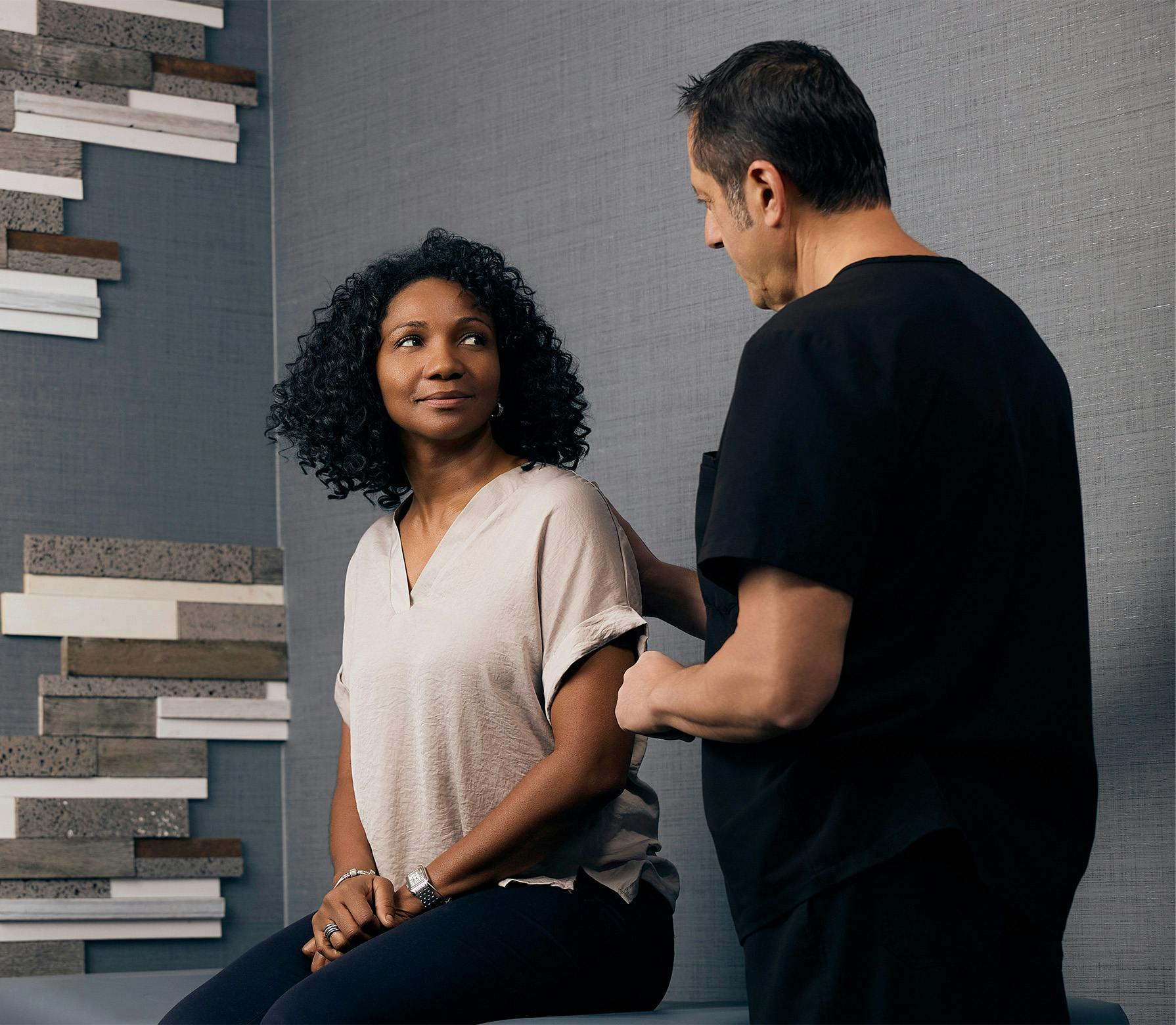
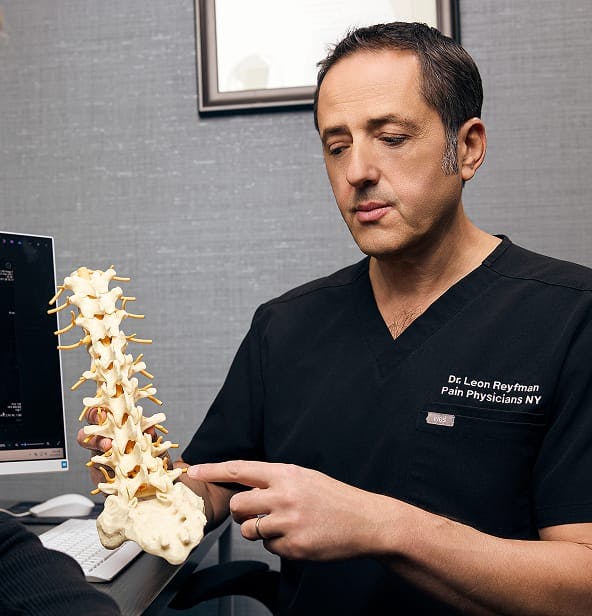
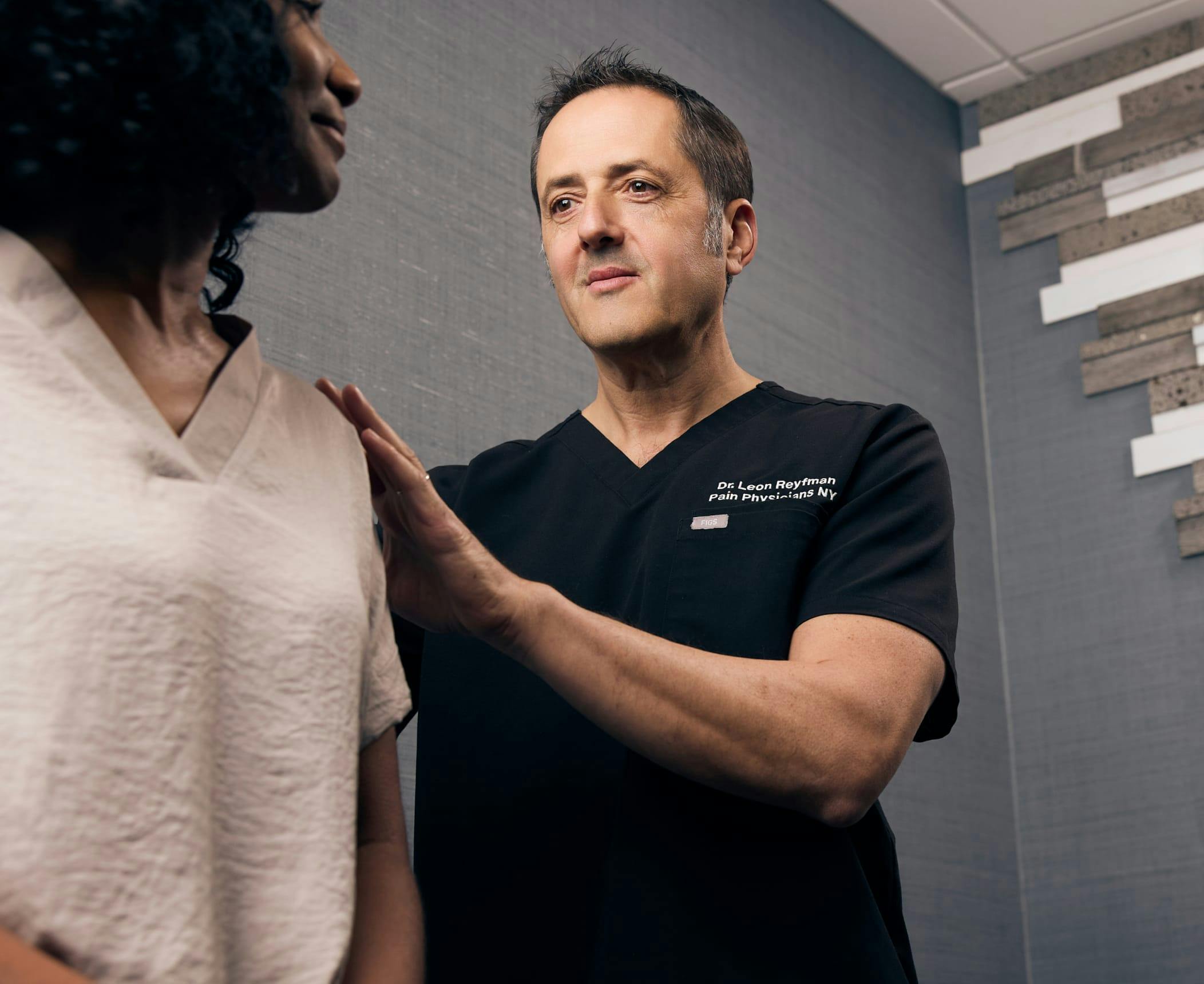
doctor examining a patient

Understanding Ulnar Nerve Entrapment

The ulnar nerve travels from the neck, through the shoulder and arm, and into the hand. Along the way, it passes through narrow anatomical spaces where it may become compressed. The most common sites of entrapment include:

  • Cubital tunnel syndrome, where the nerve is compressed at the elbow
  • Guyon’s canal syndrome, where the nerve is compressed at the wrist

Because the ulnar nerve controls sensation in the ring and small fingers and powers several intrinsic hand muscles, compression can lead to both sensory disturbances and motor weakness. At Regen Axis Health, ulnar nerve entrapment is approached as a mechanical and inflammatory nerve condition that often responds well to precise, regenerative treatment.

Causes of Ulnar Nerve Entrapment

Ulnar nerve entrapment can develop gradually or follow injury. Common contributing factors include:

  • Prolonged elbow flexion, such as resting elbows on desks or armrests
  • Repetitive arm or wrist movements
  • Direct pressure on the elbow, often during sleep or work
  • Prior elbow or wrist injury, altering nerve pathways
  • Scar tissue formation after surgery or trauma
  • Joint degeneration or soft tissue inflammation

In many patients, daily habits and repetitive stress play a significant role in nerve compression.

Banner media

Same-day appointments. Walk-ins welcome. Relief starts now.

Symptoms of Ulnar Nerve Entrapment

Symptoms vary depending on severity and location of compression but commonly include:

  • Numbness or tingling in the ring and small fingers
  • Weak grip strength or hand clumsiness
  • Pain or aching along the inner elbow or forearm
  • Difficulty with fine motor tasks
  • Muscle wasting in advanced cases
  • Symptoms that worsen with elbow bending or prolonged arm positioning

Early symptoms may come and go, but untreated compression can lead to progressive nerve dysfunction.

Wavey blue pattern

How Ulnar Nerve Entrapment Affects Daily Life

Ulnar nerve entrapment can make routine tasks such as typing, gripping objects, or lifting items difficult. Many patients notice dropping objects or struggling with precision tasks. Nighttime symptoms are common, especially when the elbow is bent during sleep.

Traditional care often includes activity modification, splinting, or medications, followed by surgery if symptoms persist. Regen Axis Health offers a regenerative alternative focused on relieving nerve compression, calming inflammation, and restoring nerve mobility.

How We Evaluate Ulnar Nerve Entrapment

At Regen Axis Health, evaluation includes:

  • A detailed review of symptoms, work habits, and daily activities
  • A focused neurologic and musculoskeletal examination
  • Assessment of hand strength, sensation, and coordination
  • Review of imaging or nerve studies when available

This comprehensive evaluation allows us to pinpoint the site of nerve compression and determine the most appropriate regenerative approach.

Background media
Contact us media

“Dr. Reyfman took his time with me, listening to my worries, addressing my questions, and educating me on the treatment.”

Julie Toland

Contact us media

Ulnar Nerve Entrapment Treatments at Regen Axis Health

Regen Axis Health follows a regenerative-first clinical model. Our treatments are designed to address the mechanical and inflammatory causes of nerve compression without defaulting to invasive procedures.

Regenerative Nerve Hydrodisection

Nerve hydrodissection is a precise, image-guided technique used to gently separate the ulnar nerve from surrounding tissues. When combined with PRP or platelet lysate, hydrodissection may:

  • Reduce nerve compression
  • Improve nerve mobility
  • Decrease chronic inflammation

This approach directly targets the underlying cause of ulnar nerve entrapment.

Platelet-Rich Plasma (PRP) for Ulnar Nerve Entrapment

PRP therapy delivers growth factors that support nerve and soft tissue healing. For ulnar nerve entrapment, PRP may help:

  • Calm inflammatory signaling around the nerve
  • Support nerve recovery
  • Improve surrounding tissue health

All PRP treatments are image-guided and performed by board-certified physicians.

Regenerative Laser and Photomodulation Therapies

Non-invasive regenerative technologies may be used to support nerve healing, including:

  • Regenerative laser therapy to stimulate tissue repair
  • Red light therapy and photomodulation to enhance cellular recovery

These therapies are often used alongside injection-based treatments to optimize outcomes.

Supportive Regenerative Therapies

Depending on the severity of symptoms, treatment plans may also include:

  • Shockwave therapy to improve circulation and tissue healing
  • Ozone therapy in carefully selected cases to address inflammatory environments

Treatment selection is personalized based on nerve involvement and response to care.

What Results Can Patients Expect?

Regenerative treatment for ulnar nerve entrapment focuses on gradual improvement in sensation, strength, and function. Many patients experience reduced numbness, improved grip strength, and better tolerance for daily activities over several weeks to months. Results depend on the duration and severity of nerve compression. Our team monitors progress closely and adjusts care plans to support sustained nerve health and recovery.

Doctor media

Why Choose Regen Axis Health?

Regen Axis Health was founded by Dr. Leon Reyfman, an internationally recognized leader in interventional pain and regenerative nerve care, and is supported by a team of board-certified physicians experienced in treating complex nerve entrapment conditions. Every treatment is physician-led and guided by a regenerative-first philosophy focused on restoring nerve function and preventing unnecessary surgery. With high-access scheduling across multiple locations, Regen Axis Health delivers advanced ulnar nerve entrapment treatment in NYC without the limitations of traditional pain management models.

Take the next step toward restoring hand strength and comfort by scheduling a regenerative ulnar nerve evaluation with Regen Axis Health today.

Frequently Asked Questions Ulnar Nerve Entrapment

How is ulnar nerve entrapment different from carpal tunnel syndrome?

Ulnar nerve entrapment affects the ulnar nerve and typically causes symptoms in the ring and small fingers, while carpal tunnel syndrome involves the median nerve and affects the thumb, index, and middle fingers.

Can ulnar nerve entrapment heal without surgery?

In many cases, yes. Regenerative treatments may relieve nerve compression and inflammation, allowing symptoms to improve without surgical intervention.

How long does it take to see improvement?

Many patients notice gradual improvement over weeks to months as nerve irritation decreases and healing progresses.

Is regenerative treatment painful?

Most treatments are well tolerated and performed with local anesthesia. Temporary soreness may occur but typically resolves quickly.

What happens if ulnar nerve entrapment is left untreated?

Untreated compression can lead to worsening numbness, weakness, and permanent nerve damage, which is why early evaluation is important.

Contact us media
Accessibility: If you are vision-impaired or have some other impairment covered by the Americans with Disabilities Act or a similar law, and you wish to discuss potential accommodations related to using this website, please contact our Accessibility Manager at (212) 235-1599.
Contact Us