Platelet-Rich Plasma (PRP) Therapy on Long Island Focused on Recovery and Longevity

Regen Axis Health provides physician-led PRP therapy for patients who are seeking a non-surgical approach to healing and functional recovery. Platelet-rich plasma uses the body’s own biologic signals to support tissue repair, regulate inflammation, and improve resilience over time. Our board-certified physicians take a personalized approach to determine whether PRP therapy is appropriate and how it should be applied to support durable improvement.

If you’re considering PRP injections on Long Island as an alternative to surgery or repetitive symptom management, schedule a consultation with Regen Axis Health to discuss your options.

What Is Platelet-Rich Plasma (PRP) Therapy?

PRP therapy involves drawing a small sample of your blood and processing it to concentrate platelets and growth factors. Platelets play a critical role in the body’s natural healing response by releasing biologic signals that influence inflammation control, circulation, and tissue repair. When PRP is delivered to areas of injury or degeneration, it helps create a more favorable biologic environment for healing.

Because PRP is autologous—derived from your own blood—it avoids many of the risks associated with synthetic medications or long-term drug use. At Regen Axis Health, PRP is prepared and administered exclusively by board-certified physicians using evidence-based protocols.

Banner media
doctor injecting a patient

How PRP Therapy Supports Healing

PRP works by enhancing communication between cells involved in tissue repair. Once injected into a targeted area, PRP releases growth factors that help regulate inflammation and support cellular recovery processes. PRP therapy may help:

  • Reduce chronic inflammatory signaling
  • Support tendon, ligament, and cartilage health
  • Improve joint stability and range of motion
  • Promote recovery after injury or overuse
  • Support healing in degenerative conditions

Because PRP relies on biologic signaling rather than immediate pain suppression, improvement often occurs gradually.

Conditions Commonly Treated With PRP

PRP therapy may be appropriate for a wide range of musculoskeletal and soft-tissue conditions, depending on diagnosis and severity. Regen Axis Health commonly uses PRP to treat:

  • Knee, hip, shoulder, and elbow pain
  • Degenerative osteoarthritis
  • Tendon and ligament injuries
  • Sports-related and repetitive-use injuries
  • Chronic joint irritation
  • Select spine-related pain patterns as part of a broader plan
  • Nerve irritation when paired with advanced regenerative techniques

Your physician will determine whether PRP therapy in Nassau County are appropriate based on examination findings, imaging, and functional goals.

Banner media

A Physician-Led Evaluation Before PRP Treatment

PRP therapy is not a one-size-fits-all solution. At Regen Axis Health, every PRP treatment plan begins with a comprehensive evaluation performed by a board-certified physician. This evaluation may include:

  • Review of symptoms, activity level, and prior treatments
  • Physical examination assessing motion, stability, and pain triggers
  • Review of MRI or X-ray imaging when available
  • Determining whether PRP should be used alone or combined with other regenerative therapies

This ensures PRP is applied strategically and aligned with your diagnosis and recovery goals.

Same-day appointments. Walk-ins welcome. Relief starts now.

How PRP Injections Are Performed

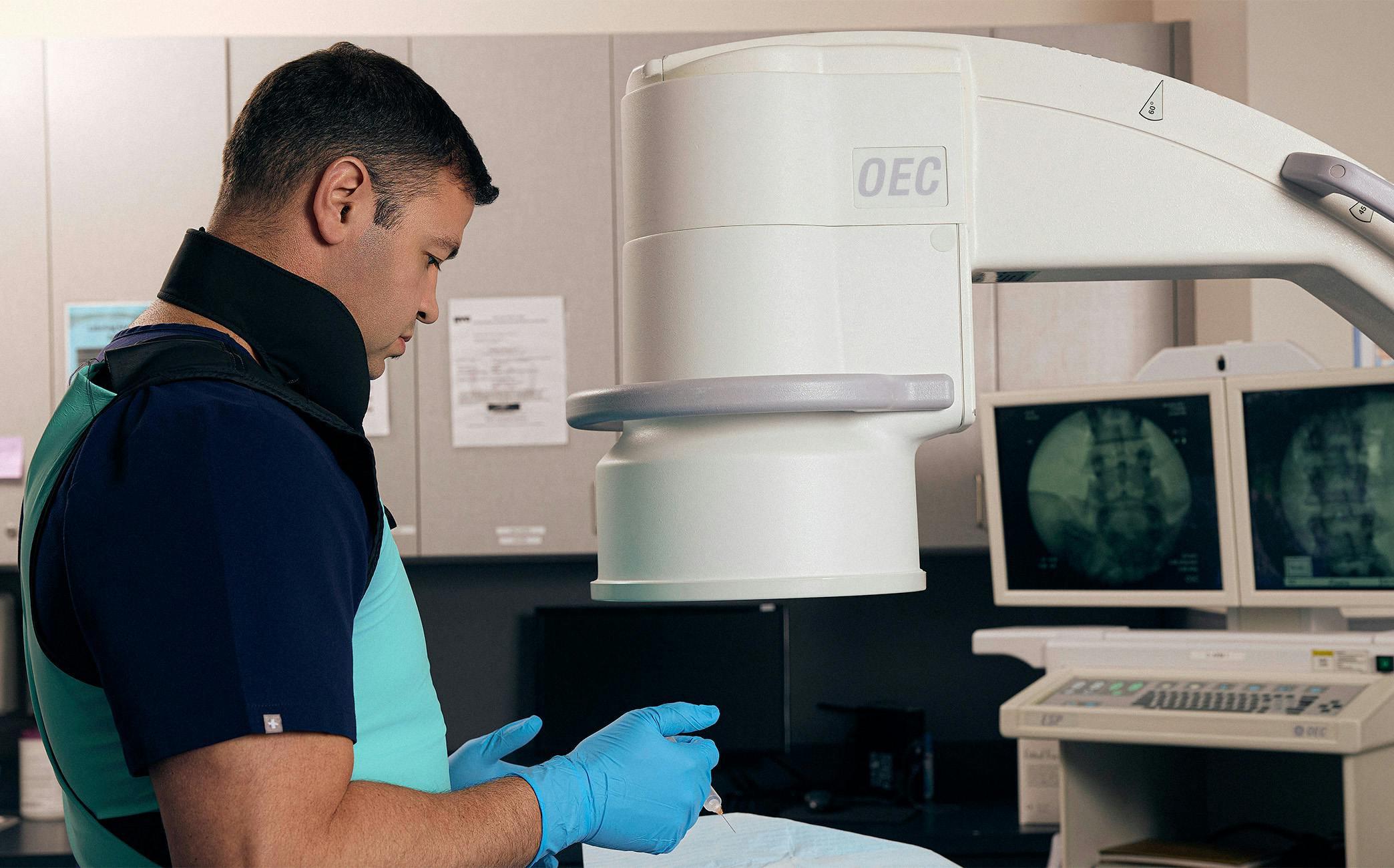
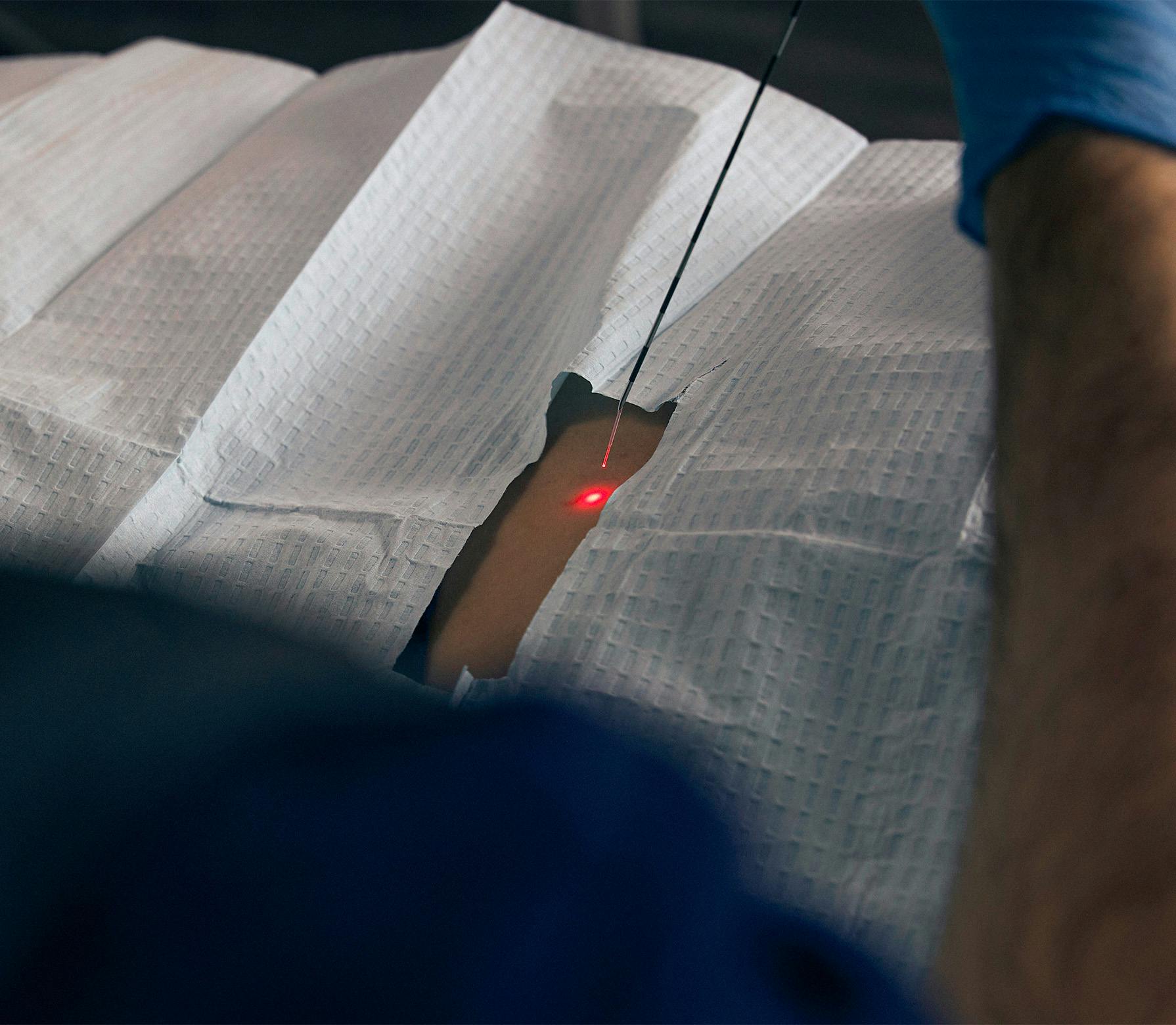
At Regen Axis Health, PRP injections on Long Island are performed in a controlled clinical environment. Image guidance is often used to ensure accuracy, particularly for joints, deeper tissues, or spine-related structures.

Local anesthesia may be used for comfort depending on the treatment area. Most PRP procedures are outpatient and require minimal downtime.

Banner media

Recovery and What to Expect After PRP Therapy

Following PRP therapy, temporary soreness or stiffness is common and often reflects the body’s healing response. This typically resolves as tissue repair progresses. Patients may notice:

  • Early changes in pain or mobility within several weeks
  • Gradual improvement over weeks to months
  • Continued progress as tissues respond biologically

Your physician will provide guidance on activity modification, rehabilitation, and follow-up care to support optimal outcomes.

PRP Therapy as Part of a Regenerative Care Strategy

PRP therapy in Nassau County may be used alone or integrated into a broader regenerative care plan. For chronic or degenerative conditions, PRP may be combined with regenerative spine procedures, joint-focused biologic therapies, nerve treatments, or supportive modalities. Regen Axis Health emphasizes coordinated treatment strategies rather than isolated procedures.

Wavey blue pattern

High-Access PRP Care for Long Island Patients

Regen Axis Health operates with a high-access care model designed to reduce delays and streamline treatment. Patients benefit from centralized scheduling, coordinated care, and efficient transitions from evaluation to therapy. This approach supports continuity, physician oversight, and a clear, patient-centered experience.

Doctor media

Why Choose Regen Axis Health?

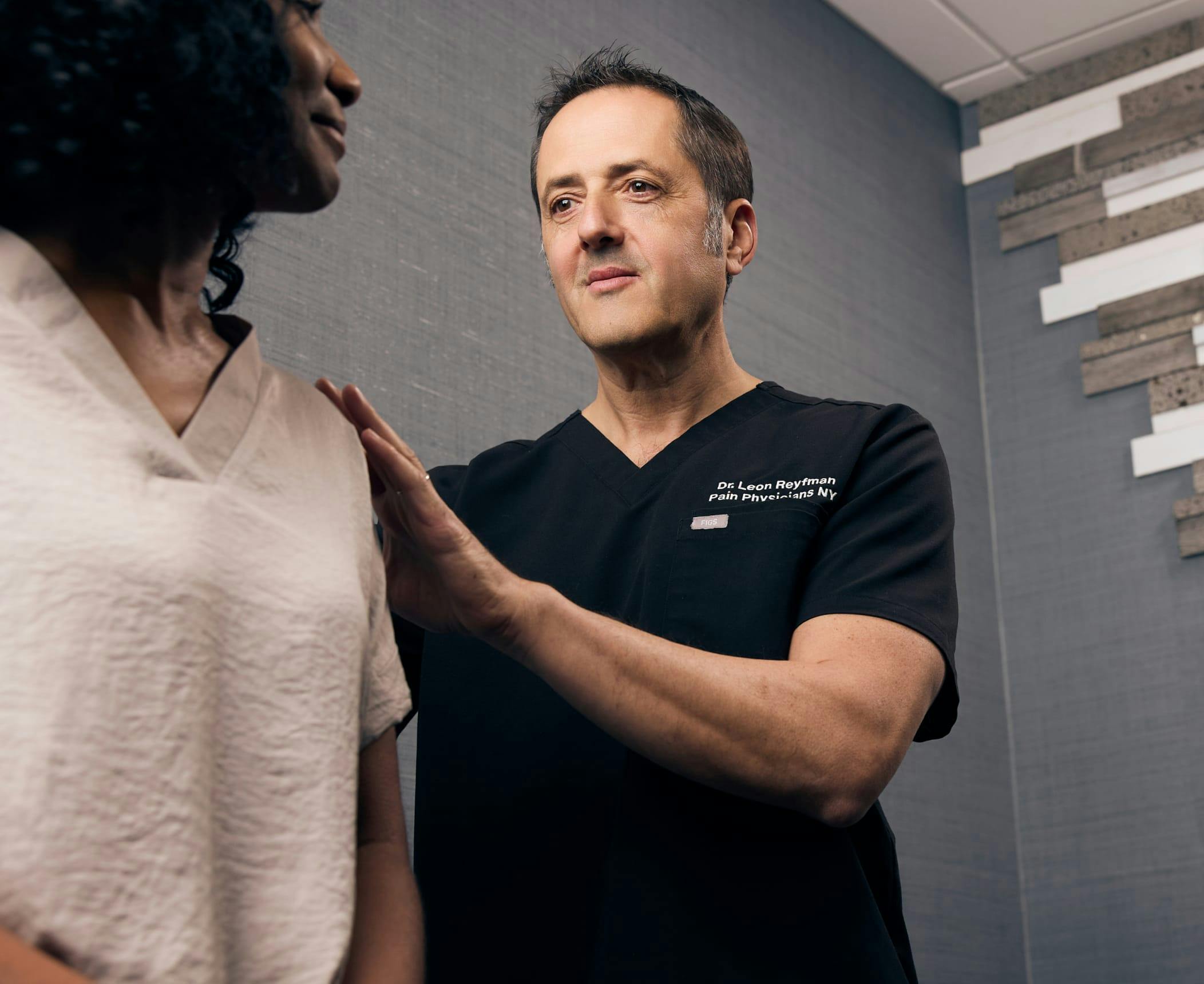
Regen Axis Health is led by Dr. Leon Reyfman and supported by a team of board-certified physicians who specialize exclusively in regenerative, non-surgical care. Our physician-led evaluations, precision-guided PRP injections, and high-access model allow us to deliver PRP on Long Island focused on healing, function, and long-term outcomes.

Move forward with confidence by scheduling a consultation with Regen Axis Health today.

Frequently Asked Questions Platelet-Rich Plasma Therapy

Does PRP therapy involve medications or steroids?

No. PRP therapy uses growth factors derived from your own blood and does not involve steroids or synthetic medications.

How many PRP treatments are typically recommended?

This depends on the condition and individual response. Some patients benefit from a single treatment, while others may need a series.

How long does it take to see results from PRP therapy?

Many patients notice gradual improvement over several weeks, with continued progress over a few months as healing occurs.

Can PRP therapy help avoid surgery?

In some cases, yes. PRP therapy may improve function and reduce pain enough to delay or avoid surgery, depending on the severity of the condition.

Is PRP therapy considered safe?

Because PRP is derived from your own blood and administered by experienced physicians, it is considered safe for appropriately selected patients.

Contact us media
Accessibility: If you are vision-impaired or have some other impairment covered by the Americans with Disabilities Act or a similar law, and you wish to discuss potential accommodations related to using this website, please contact our Accessibility Manager at (516) 212-0607.
Contact Us