Sciatica Treatment in NYC Focused on Nerve Precision and Lasting Relief

At Regen Axis Health, we provide physician-led, non-surgical sciatica care for patients who want more than temporary symptom control. Sciatica most often stems from irritation or compression of a spinal nerve, not simply muscle strain or general back pain. Our board-certified physicians take a regenerative-first approach that prioritizes identifying the exact nerve source, addressing inflammation at its origin, and supporting long-term recovery.

If you are searching for sciatica treatment in NYC, schedule a consultation with Regen Axis Health to discuss a targeted plan.

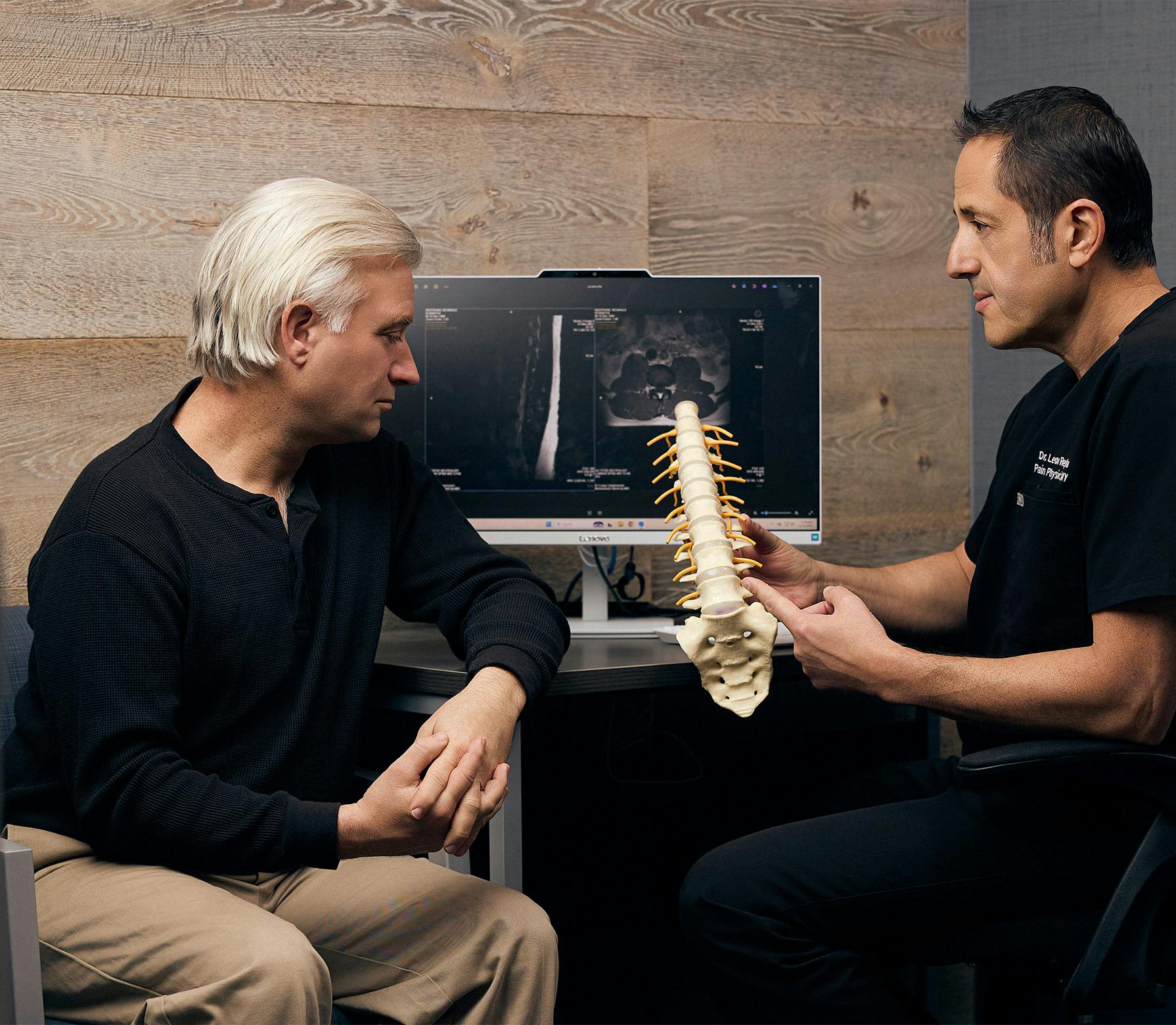
doctor showing a patient a model of a spine

What Sciatica Really Is

Sciatica is a pattern of nerve pain rather than a standalone diagnosis. It occurs when one or more nerve roots in the lower spine become irritated and send pain signals along the sciatic nerve pathway, which runs from the lower back through the buttock and down the leg.

Pain intensity can range from mild aching to sharp, burning discomfort that disrupts sleep and movement. Some patients experience constant symptoms, while others notice pain flares with sitting, bending, or prolonged standing. Understanding sciatica as a nerve-driven condition is essential for choosing the right treatment strategy.


Radiculopathy as the Underlying Cause of Sciatica

In the majority of cases, sciatica is caused by lumbar radiculopathy. Radiculopathy refers to inflammation, compression, or irritation of a spinal nerve root as it exits the spine. 

When this occurs, patients may experience:

  • Pain radiating from the lower back into the leg
  • Muscle weakness or heaviness in the leg
  • Pain that worsens with sitting or certain movements
  • Tingling or numbness in the calf or foot

Identifying radiculopathy helps shift treatment toward calming nerve inflammation and relieving pressure rather than treating only surface-level pain.

Banner media

Common Causes of Sciatica

Sciatica can develop from a variety of spinal changes, and many patients have more than one contributing factor. Common causes include:

  • Narrowing of the nerve exit pathway (foraminal stenosis)
  • Degenerative disc disease
  • Facet joint arthritis contributing to nerve irritation
  • Herniated or bulging discs
  • Chronic mechanical strain or posture-related stress
  • Spinal stenosis

Because symptoms can overlap with hip, SI joint, or peripheral nerve issues, careful evaluation is critical.

Symptoms That Suggest Sciatica

Sciatica symptoms usually affect one side of the body, though bilateral symptoms can occur in more advanced cases. Common symptoms include:

  • Sharp, burning, or electric pain in the buttock or leg
  • Pain that travels below the knee
  • Numbness or tingling in the foot or toes
  • Weakness with walking or climbing stairs
  • Pain that worsens after prolonged sitting
  • Disrupted sleep due to nerve discomfort

Severe weakness or changes in bowel or bladder function require immediate medical attention.

Wavey blue pattern

Same-day appointments. Walk-ins welcome. Relief starts now.

How We Evaluate Sciatica at Regen Axis Health

Sciatica treatment in Manhattan at Regen Axis Health begins with a comprehensive, physician-led evaluation designed to identify the precise nerve source.

Your evaluation may include:

  • A detailed review of symptom location and triggers
  • Neurological testing of strength, reflexes, and sensation
  • Review of MRI or other imaging when appropriate
  • Assessment of spinal alignment, posture, and movement mechanics

This allows our physicians to determine whether symptoms are most consistent with radiculopathy, disc-related irritation, stenosis, or another underlying issue.

Sciatica Treatment Options at Regen Axis Health

Regen Axis Health takes a non-surgical, regenerative-first approach to sciatica care. Treatments are selected based on the specific cause of nerve irritation rather than a one-size-fits-all model.

Targeted Epidural Blocks and Nerve-Focused Care

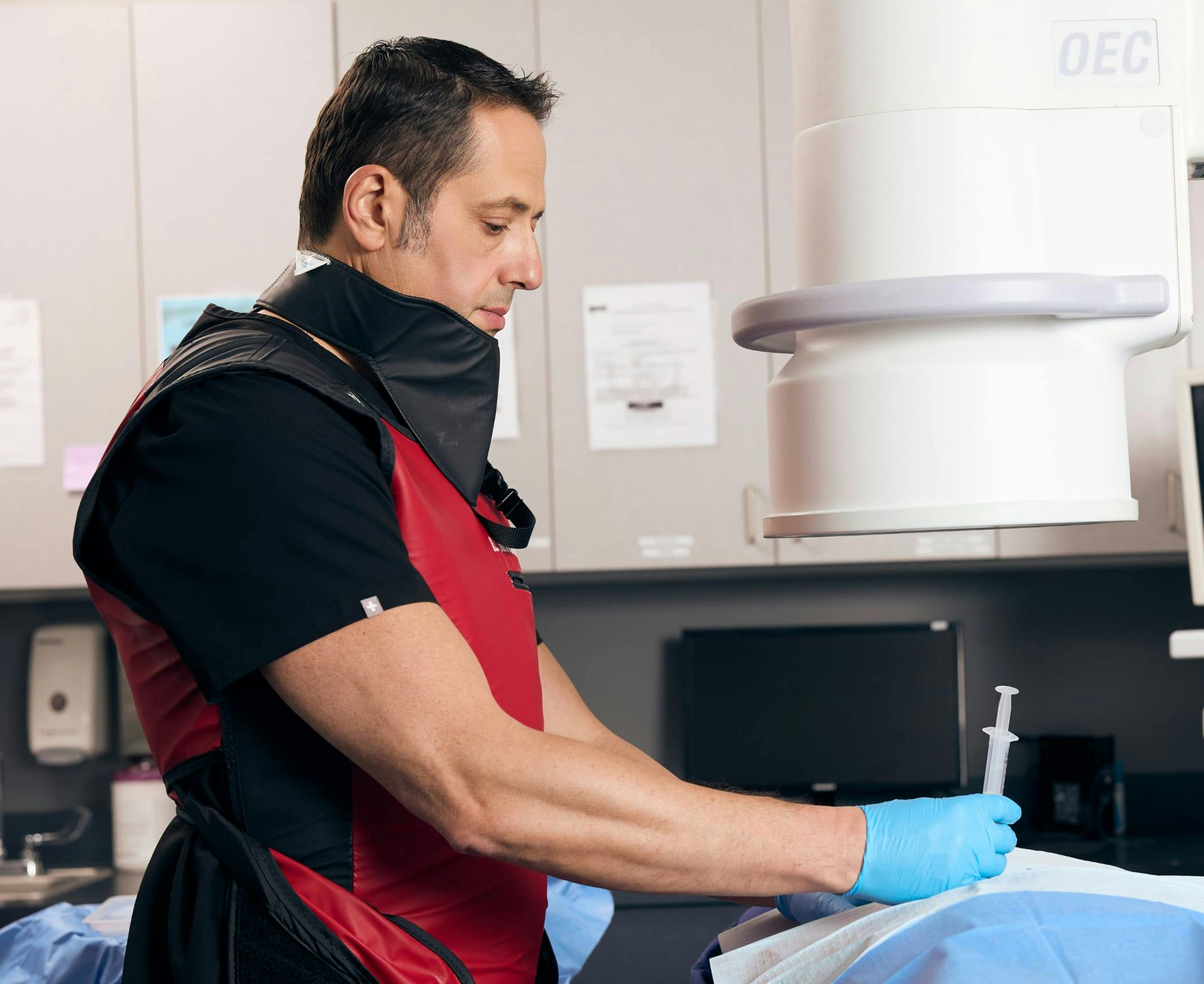
When radiculopathy is present, image-guided epidural blocks may be recommended to reduce inflammation around the affected nerve root and improve mobility.

Regenerative PRP-Based Spine Treatments

For select patients, regenerative therapies such as epidural PRP may be considered to support tissue healing and reduce inflammatory signaling without defaulting to steroid-heavy care.

Precision Nerve Blocks

In cases where symptoms overlap or the pain source is unclear, nerve blocks may be used diagnostically or therapeutically to clarify and calm nerve involvement.

Supportive Regenerative Therapies

Additional treatments such as regenerative laser therapy, shockwave therapy, or photomodulation may be used to support surrounding tissues and enhance recovery.

Background media

Recovery and Healing Timeline After Sciatica Treatment

Recovery depends on the cause of sciatica and the treatment used. Some patients notice improvement quickly once nerve inflammation is reduced, while others improve gradually as tissues heal and mechanics normalize. Many patients experience:

  • Reduced leg pain and improved sitting tolerance
  • Better walking endurance
  • Decreased tingling or numbness
  • Improved sleep and daily comfort

Movement guidance is often part of care to help prevent recurrence and protect spinal health.

Doctor media

Why Choose Regen Axis Health?

Regen Axis Health is led by Dr. Leon Reyfman and supported by a team of board-certified physicians specializing in regenerative, non-surgical spine and nerve care. Every treatment is physician-led and image-guided, with an emphasis on precision and long-term function. With high-access scheduling and multiple locations, patients can receive advanced sciatica care without unnecessary delays.

Contact Regen Axis Health today to schedule your consultation for sciatica treatment in NYC and take the next step toward nerve-focused sciatica relief.

Frequently Asked Questions Sciatica Treatment

Is sciatica always caused by a herniated disc?

No. While herniated discs are a common cause, sciatica can also result from spinal stenosis, arthritis, or other sources of nerve irritation.

Can sciatica improve without surgery?

Yes. Many patients improve with non-surgical, targeted treatments that reduce nerve inflammation and address the underlying cause.

How long does sciatica usually last?

Some cases resolve within weeks, while others persist if the nerve irritation is not addressed. Chronic sciatica often benefits from a more targeted evaluation.

Should I avoid all activity if I have sciatica?

Not necessarily. Gentle, guided movement is often encouraged, while activities that worsen nerve compression should be avoided.

When should I seek care for sciatica?

If pain persists, worsens, or is accompanied by weakness or numbness, a physician evaluation can help prevent long-term nerve issues and guide appropriate treatment.

Contact us media
Accessibility: If you are vision-impaired or have some other impairment covered by the Americans with Disabilities Act or a similar law, and you wish to discuss potential accommodations related to using this website, please contact our Accessibility Manager at (212) 235-1599.
Contact Us