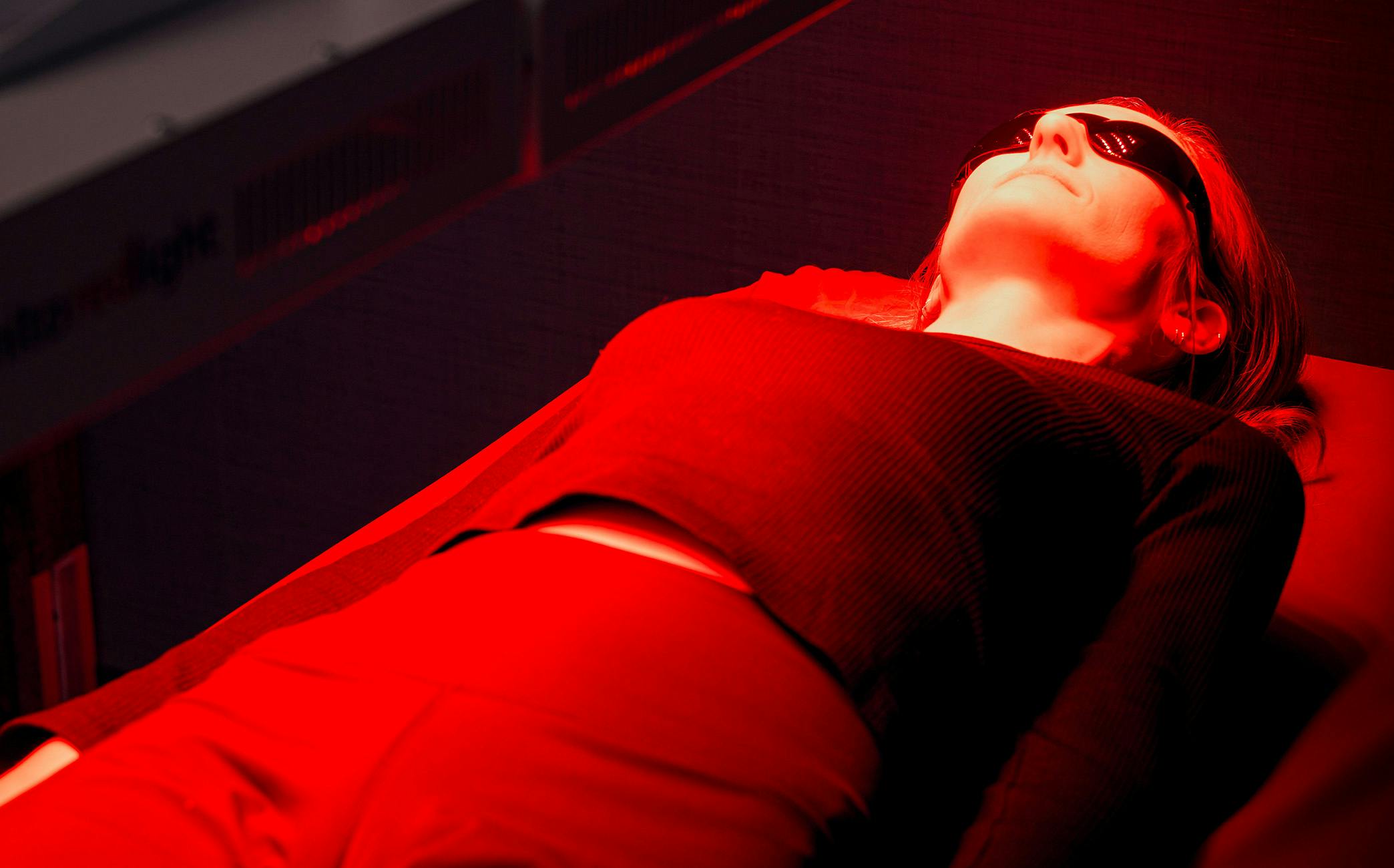
Red Light Therapy in NYC to Support Cellular Recovery and Healing

Regen Axis Health offers physician-guided red light therapy for patients who want a non-invasive way to support healing, reduce inflammation, and improve tissue recovery. Also known as photobiomodulation, red light therapy uses specific wavelengths of light to stimulate cellular energy production and improve the local healing environment. Our board-certified physicians may incorporate red light therapy in NYC into a broader regenerative plan, especially for patients recovering from chronic pain conditions, joint degeneration, or soft tissue irritation.

If you are exploring red light therapy and want a plan guided by medical expertise, schedule a consultation with Regen Axis Health today.

What Is Red Light Therapy?

Red light therapy is a non-invasive treatment that delivers specific wavelengths of red and near-infrared light to targeted areas of the body. This light penetrates into the tissue and influences cellular activity involved in inflammation regulation and healing.

In regenerative medicine, red light therapy is commonly used to support tissue recovery and cellular repair processes. It is often paired with other treatments because it can enhance the overall healing environment without adding stress to the body.

Banner media
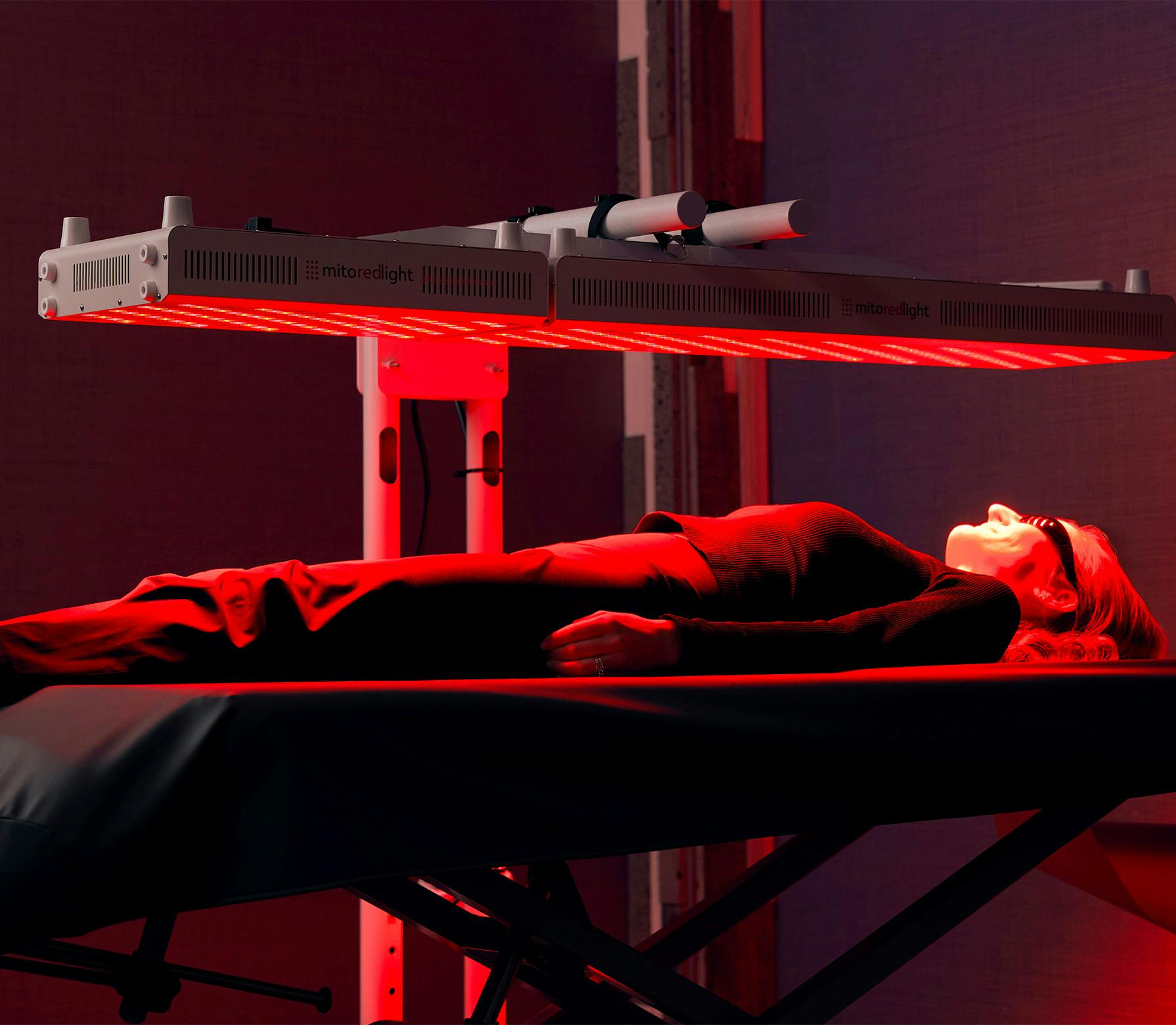
woman laying in red light

What Is Photobiomodulation?

Photobiomodulation is the clinical term for red light therapy. While the name sounds technical, the concept is straightforward: light energy is used to stimulate biologic processes in cells. Photobiomodulation in NYC may be recommended for patients seeking:

  • A therapy that complements regenerative procedures such as PRP or BMAC
  • Non-invasive support for healing and recovery
  • A way to improve tissue comfort and mobility over time
  • A treatment that does not involve injections

At Regen Axis Health, photobiomodulation is used strategically and under physician guidance as part of an individualized care plan.

How Red Light Therapy Works

Red light therapy works by delivering light energy into tissue where it interacts with cellular structures involved in energy production. This process may help support cellular repair, reduce inflammatory signaling, and improve circulation. Red light therapy may help:

  • Support healthier cellular metabolism
  • Improve circulation in targeted areas
  • Reduce inflammatory signaling
  • Support tissue recovery after injury or strain
  • Promote a more favorable healing environment

Because red light therapy supports healing processes rather than masking symptoms, improvements tend to be gradual and build over time.

Conditions Commonly Supported With Red Light Therapy in Manhattan

Red light therapy in Manhattan may be recommended for a range of musculoskeletal and chronic pain conditions. It is especially useful when the goal is to support recovery without stressing the body with invasive procedures.

At Regen Axis Health, red light therapy may be used to support care for:

  • Osteoarthritis and degenerative joint discomfort
  • Chronic back or neck pain
  • Tendon irritation and soft tissue strain
  • Muscle tightness or chronic soreness
  • Neuropathy and nerve-related discomfort in select cases
  • Recovery support after regenerative injections

Your physician will determine whether red light therapy is appropriate based on your diagnosis and treatment goals.

Red Light Therapy as Part of a Regenerative Care Plan

Red light therapy is often most effective when used as part of a comprehensive regenerative strategy. At Regen Axis Health, we may recommend photobiomodulation to support the tissue environment before or after other treatments. Red light therapy may be used to complement:

  • PRP therapy for joints, spine, or soft tissue
  • Bone marrow concentrate (BMAC) treatments
  • Regenerative laser therapy
  • Shockwave therapy
  • Movement and recovery guidance

This integrated approach supports healing at multiple levels, from cellular recovery to functional movement improvement.

Banner media

What to Expect During Red Light Therapy

Red light therapy sessions are performed in-office. The treatment is non-invasive and does not require needles, incisions, or anesthesia. During your session:

  • The targeted area is positioned for light exposure
  • A red and near-infrared light device is applied to the treatment region
  • The session is typically brief and comfortable

Patients often describe the experience as relaxing. There is no heat or pain in most cases, though some individuals may feel mild warmth.

whispy plant

Same-day appointments. Walk-ins welcome. Relief starts now.

How Many Red Light Therapy Sessions Are Recommended?

Red light therapy is typically recommended as a series of sessions rather than a one-time treatment.

The number of sessions depends on:

  • Whether red light therapy is being used alone or as part of a larger plan
  • The condition being treated
  • The severity of inflammation or tissue stress
  • Your recovery goals and activity level

Some patients notice early improvement, while others experience gradual progress as the tissue environment improves.

Recovery and Healing Timeline After Red Light Therapy

One of the major benefits of red light therapy is that it involves no downtime. Most patients return to normal activity immediately after treatment. After sessions, patients may notice:

  • Gradual improvements in mobility and tissue resilience
  • Reduced stiffness or soreness over time
  • Improved comfort during movement

Because red light therapy supports cellular recovery processes, results often build progressively across multiple sessions. Your physician will provide guidance on timing, frequency, and how red light therapy fits into your broader plan.

High-Access Red Light Therapy for NYC Patients

Regen Axis Health is built around a high-access care model designed for patients who want advanced regenerative treatments without long delays. NYC patients benefit from centralized scheduling and coordinated care across locations, allowing evaluation and treatment planning to move forward efficiently. This model supports continuity, physician oversight, and a streamlined patient experience.

Doctor media

Why Choose Regen Axis Health?

Regen Axis Health is led by Dr. Leon Reyfman and supported by a team of board-certified physicians focused exclusively on regenerative, non-surgical care. Our physician-guided approach ensures red light therapy is used strategically, as part of a plan built around diagnosis, long-term function, and movement-centered recovery.

Schedule your visit with Regen Axis Health today to learn whether red light therapy belongs in your personalized regenerative plan.

Frequently Asked Questions Red Light Therapy

Is red light therapy the same as heat therapy?

No. Red light therapy uses specific wavelengths of light to influence cellular activity. While some patients may feel mild warmth, the treatment is not the same as heat-based therapy.

How is photobiomodulation different from regenerative laser therapy?

Photobiomodulation is typically a gentler, non-invasive light-based therapy used to support cellular recovery. Regenerative laser therapy may involve different technology and protocols depending on the condition being treated.

How soon will I notice results from red light therapy?

Some patients notice changes after a few sessions, while others experience more gradual improvement over several weeks. The timeline depends on the condition and the overall treatment plan.

Can red light therapy be combined with PRP or BMAC?

Yes. Red light therapy is often used alongside regenerative injections such as PRP or BMAC to support the tissue environment and recovery process.

Is red light therapy safe?

Red light therapy is considered safe when used appropriately. Your physician will confirm whether it is suitable for your condition and overall health profile.

Contact us media
Accessibility: If you are vision-impaired or have some other impairment covered by the Americans with Disabilities Act or a similar law, and you wish to discuss potential accommodations related to using this website, please contact our Accessibility Manager at (212) 235-1599.
Contact Us