Advanced Regenerative Joint Care Using Adipose-Derived Cell Therapy

Joint degeneration is not limited to cartilage alone. Inflammation within the joint, changes in surrounding soft tissue, and reduced biologic signaling all contribute to chronic pain and stiffness. Intra-articular adipose-derived cell therapy—commonly known as MFAT—offers a regenerative option designed to support joint health using your body’s own biologic resources. At Regen Axis Health, our board-certified physicians provide advanced MFAT as a non-surgical treatment aimed at reducing inflammation, supporting joint tissue health, and preserving movement. Schedule a consultation with Regen Axis Health to determine whether MFAT therapy is appropriate for your joint condition.

What Is Intra-Articular Adipose-Derived Cell Therapy (MFAT)?

Intra-articular adipose-derived cell therapy involves collecting a small amount of adipose (fat) tissue from the patient, typically through a minimally invasive procedure. This tissue is then processed to create microfragmented adipose tissue, or MFAT, which contains a rich concentration of regenerative cells and signaling molecules. The processed MFAT is injected directly into the affected joint using image guidance.

Unlike treatments that focus solely on symptom relief, MFAT therapy is designed to support the joint’s internal environment by modulating inflammation and promoting tissue balance. At Regen Axis Health, all MFAT procedures are physician-led and performed using advanced imaging for precision and safety.


Banner media
woman smiling

How MFAT Differs From Other Regenerative Joint Injections

While several regenerative treatments are used in joint care, MFAT therapy has distinct characteristics that make it particularly useful for inflammatory and degenerative joint conditions. Key differences include:

  • Uses adipose-derived regenerative cells and anti-inflammatory signaling factors
  • Focuses heavily on inflammation modulation within the joint
  • Avoids steroids and synthetic medications
  • Designed to support joint health rather than temporarily suppress symptoms

This makes intra-articular adipose-derived cell therapy a valuable option for patients seeking longer-term joint support.

Conditions Treated With Intra-Articular MFAT Therapy

MFAT may be appropriate for patients with joint conditions involving inflammation, degeneration, or soft-tissue compromise, including:

  • Osteoarthritis of the knee, hip, shoulder, or other joints
  • Chronic joint inflammation, contributing to pain and stiffness
  • Degenerative joint conditions not responding to conservative care
  • Post-injury joint degeneration
  • Joint pain where inflammation is a primary driver of symptoms

Careful evaluation is essential to determine whether MFAT therapy is appropriate for a specific joint and condition.

How Intra-Articular Adipose-Derived Cell Therapy Works

Healthy joints rely on balanced cellular signaling to maintain cartilage, synovial fluid, and surrounding soft tissues. When degeneration occurs, inflammatory signals can dominate, leading to pain and loss of function. MFAT therapy introduces adipose-derived cells and bioactive components directly into the joint. 

These elements may help regulate inflammation, support tissue health, and improve the joint environment. Rather than stimulating aggressive tissue growth, MFAT focuses on restoring balance within the joint. Because this process works biologically, improvement is typically gradual and progressive.

Same-day appointments. Walk-ins welcome. Relief starts now.

Contact us media
Contact us media

“Dr. Reyfman is the best. I did an intradiscal PRP for my herniated disc, and I feel great!”

Lika Gabrichidze

Contact us media

Who Is a Candidate for MFAT Therapy?

Intra-articular adipose-derived cell therapy may be appropriate for patients who:

  • Have chronic joint pain related to arthritis or degeneration
  • Have imaging showing joint deterioration without advanced collapse
  • Have not achieved lasting relief from conservative or injection-based treatments
  • Want to avoid or delay joint replacement surgery
  • Are medically appropriate candidates for regenerative therapy

A comprehensive evaluation at Regen Axis Health is required to determine whether MFAT or another regenerative option is the best fit.

How MFAT Therapy Is Performed at Regen Axis Health

MFAT therapy at Regen Axis Health is physician-led and performed on an outpatient basis. The procedure typically includes:

  • Collection of a small amount of adipose tissue using a minimally invasive technique
  • Processing of the tissue into microfragmented adipose tissue
  • Image-guided injection of MFAT into the affected joint
  • Post-procedure monitoring and recovery guidance

The process is designed to be efficient while prioritizing patient comfort and safety.

What to Expect After Intra-Articular MFAT Therapy

After MFAT therapy, patients may experience temporary soreness or swelling at the injection site or tissue collection site. Because MFAT works through biologic signaling rather than immediate numbing, symptom improvement typically develops over weeks to months.

Patients are often advised to modify activity briefly and follow guided movement recommendations to protect the joint during recovery.

Background media

How MFAT Fits Into a Regenerative Joint Care Plan

MFAT therapy is often combined with other regenerative strategies, depending on the joint and condition being treated. These may include intra-articular PRP, intraosseous PRP, BMAC, shockwave therapy, regenerative laser therapy, or photomodulation.

This integrated approach allows Regen Axis Health to address inflammation, tissue health, and biomechanics comprehensively rather than relying on a single intervention.

whispy plant
Doctor media

Why Choose Regen Axis Health?

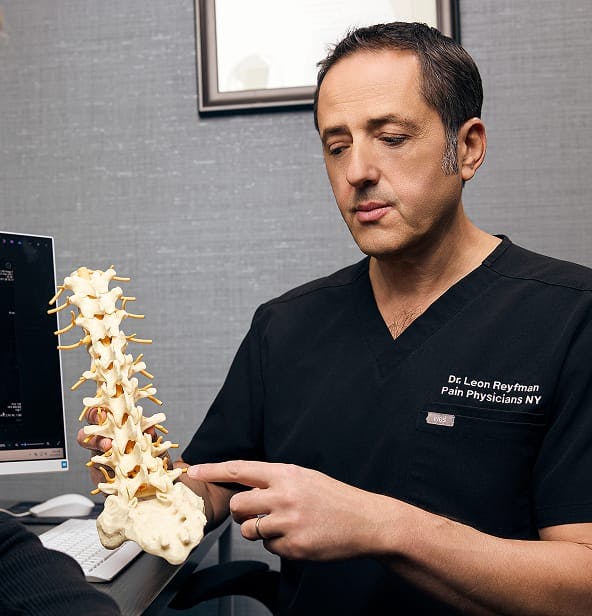
Regen Axis Health is led by Dr. Leon Reyfman and a team of board-certified physicians with advanced training in regenerative joint care. Every MFAT procedure is physician-performed using image guidance within a high-access, patient-centered care model focused on preserving joints and preventing unnecessary surgery.

Explore MFAT by scheduling a regenerative joint evaluation with Regen Axis Health today.

Frequently Asked Questions Intra-Articular Adipose-Derived Cell Therapy

How does MFAT differ from BMAC therapy?

MFAT uses adipose-derived cells and focuses heavily on inflammation modulation, while BMAC comes from bone marrow and includes a broader mix of regenerative cells that may target both bone and cartilage contributors.

Is intra-articular adipose-derived cell therapy painful?

Most patients tolerate the procedure well. Local anesthesia is used, and temporary soreness at the collection or injection site is common but typically resolves quickly.

How long does it take to see results from MFAT therapy?

Improvement is gradual and often occurs over several weeks to months as inflammation decreases and joint function improves.

Can MFAT therapy help avoid joint replacement surgery?

In some cases, yes. By reducing pain and improving joint function, MFAT therapy may help delay or avoid surgery for appropriately selected patients.

Is MFAT considered safe?

When performed by experienced, board-certified physicians using sterile technique and image guidance, intra-articular adipose-derived cell therapy is considered safe for appropriate candidates.

Contact us media
Accessibility: If you are vision-impaired or have some other impairment covered by the Americans with Disabilities Act or a similar law, and you wish to discuss potential accommodations related to using this website, please contact our Accessibility Manager at (212) 235-1599.
Contact Us