A Minimally Invasive, Regenerative Approach to Disc-Related Pain

When spinal discs degenerate or become damaged, internal inflammation and chemical irritation can trigger chronic back or neck pain, sometimes with radiating nerve symptoms. Intradiscal ozone therapy is a minimally invasive procedure designed to reduce inflammation, lower disc pressure, and support a healthier disc environment without surgery. At Regen Axis Health, our board-certified physicians offer advanced intradiscal ozone therapy as part of a regenerative-first spine care approach focused on restoring function and preserving spinal structures. Schedule a consultation with Regen Axis Health to determine whether intradiscal ozone therapy may be appropriate for your condition.

What Is Intradiscal Ozone Therapy?

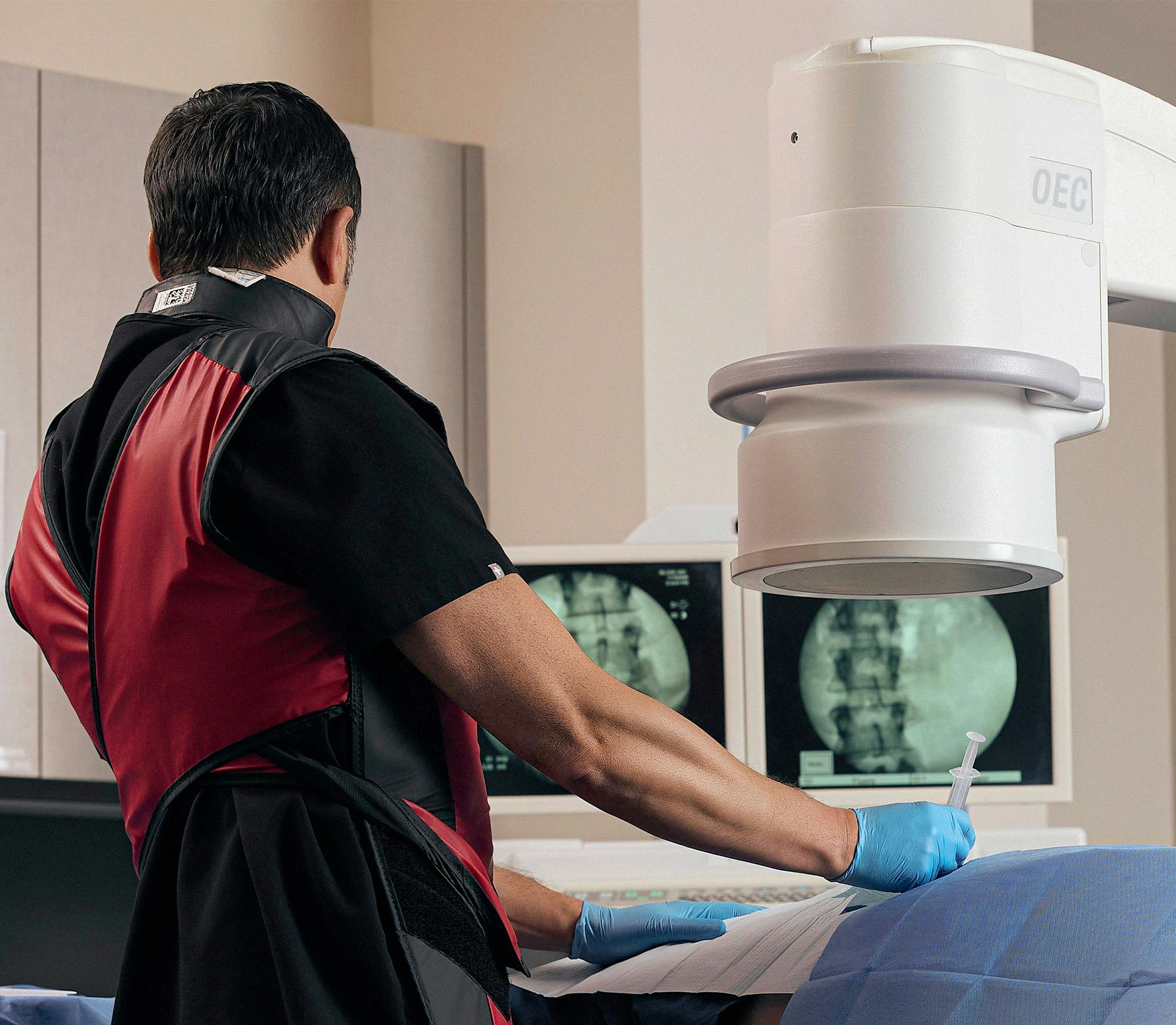
Intradiscal ozone therapy involves delivering a precise ozone-oxygen gas mixture directly into a damaged spinal disc using image-guided techniques.

Ozone has well-documented anti-inflammatory and biochemical properties that allow it to reduce disc inflammation and shrink herniated or bulging disc material.

When introduced into the disc, ozone reacts with inflammatory mediators and disc proteins, helping reduce internal disc pressure and chemical irritation of surrounding nerve roots. Unlike surgical procedures, intradiscal ozone therapy does not remove disc tissue or alter spinal anatomy. At Regen Axis Health, intradiscal ozone therapy is performed using advanced imaging guidance to ensure accuracy and safety.

Banner media

How Intradiscal Ozone Therapy Differs From Other Disc Treatments

Disc treatments vary in how they address pain and degeneration. Intradiscal ozone therapy offers a unique, non-surgical option that focuses on reducing inflammation and pressure from within the disc itself.

Key distinctions include:

  • Minimally invasive, injection-based procedure
  • No removal of disc tissue or bone
  • Targets inflammatory disc chemistry
  • Designed to reduce disc volume and nerve irritation
  • Preserves natural disc structure

This approach fits well for patients seeking effective disc relief without open surgery.

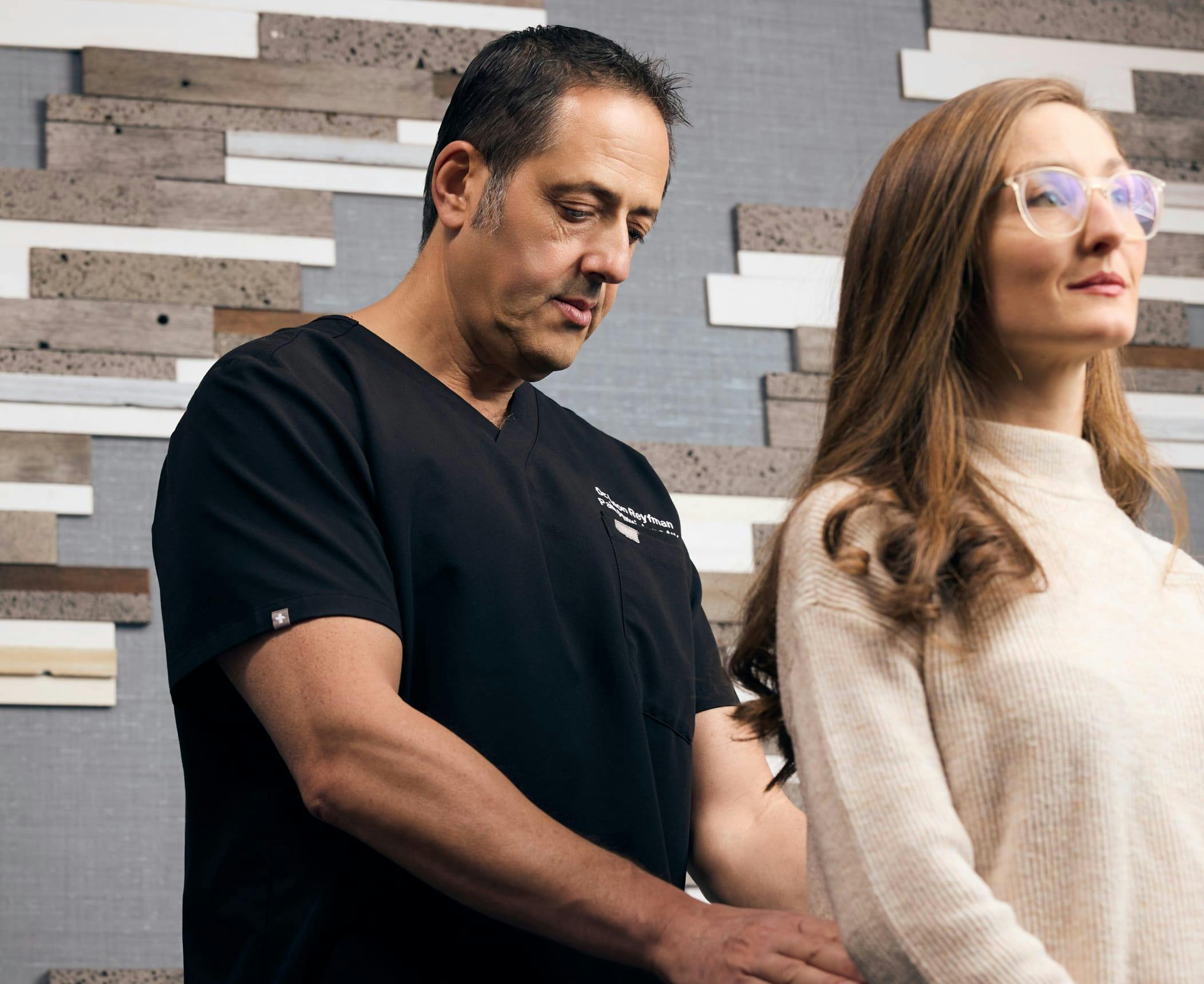
doctor treating a patient

Conditions Treated With Intradiscal Ozone Therapy

Intradiscal ozone therapy may be appropriate for patients with disc-related spine conditions, such as:

  • Herniated or bulging discs
  • Degenerative disc disease
  • Discogenic low back or neck pain
  • Radiculopathy or sciatica caused by disc inflammation
  • Chronic disc pain not responding to conservative care

Because not all disc conditions respond the same way, careful evaluation is essential before proceeding.

How Intradiscal Ozone Therapy Works

Within a damaged disc, inflammatory chemicals and increased internal pressure can irritate nerve endings and surrounding structures. Intradiscal ozone therapy works through several mechanisms. Ozone helps break down inflammatory proteins inside the disc, reducing disc volume and internal pressure.

This decompressive effect may relieve nerve compression while ozone’s biochemical properties help calm inflammation and improve local oxygen metabolism. Rather than producing immediate numbing relief, intradiscal ozone therapy is designed to support gradual improvement as inflammation subsides and disc pressure decreases.

Banner media

Who Is a Candidate for Intradiscal Ozone Therapy?

Intradiscal ozone therapy may be appropriate for patients who:

  • Have chronic back or neck pain linked to disc pathology
  • Have imaging confirming disc bulge, herniation, or degeneration
  • Have not achieved lasting relief from conservative treatments
  • Want to avoid open spine surgery
  • Are medically appropriate candidates for minimally invasive disc care

A comprehensive evaluation at Regen Axis Health is required to determine whether intradiscal ozone therapy or another disc procedure is the best option.

Wavey blue pattern

Same-day appointments. Walk-ins welcome. Relief starts now.

How Intradiscal Ozone Therapy Is Performed at Regen Axis Health

Intradiscal ozone therapy at Regen Axis Health is physician-led and performed on an outpatient basis. The procedure typically includes:

  • Review of imaging and disc anatomy
  • Local anesthesia and image-guided needle placement
  • Precise delivery of the ozone-oxygen mixture into the disc
  • Post-procedure monitoring and recovery guidance

Most patients return home the same day with instructions to support recovery.

Contact us media

“I am really impressed with Dr. Reyfman’s ability to communicate so well with patients. He is receptive to questions and is able to answer them fairly thoroughly. I got a consultation prior to getting an injection in my back, and it was a great relief to be aware of all the details.”

Ava Flores

Contact us media

What to Expect After Intradiscal Ozone Therapy

After treatment, patients may experience temporary soreness or stiffness in the treated area. Because ozone therapy works through biochemical and mechanical changes within the disc, improvement typically develops gradually over several weeks.

Patients are often advised to modify activity temporarily and follow guided movement recommendations to protect the disc during healing.

Banner media

How Intradiscal Ozone Therapy Fits Into a Regenerative Spine Plan

Intradiscal ozone therapy is often part of a broader regenerative spine strategy at Regen Axis Health. Depending on the patient’s condition, it may be combined with epidural PRP or platelet lysate, nerve blocks, regenerative laser procedures, or biologic disc treatments such as VIA Disc.

In some care plans, systemic therapies such as IV ozone therapy may also be used to support overall inflammatory balance and healing, complementing targeted intradiscal treatment. This integrated approach allows physicians to address both local disc pathology and broader inflammatory contributors to pain.

Results of Intradiscal Ozone Therapy

Results of intradiscal ozone therapy vary based on disc condition, severity of degeneration, and nerve involvement. Many patients experience reduced pain, improved mobility, and better tolerance for daily activities over time. Because intradiscal ozone therapy addresses inflammation and disc pressure rather than masking symptoms, improvement may continue to develop gradually over several months following treatment.

Doctor media

Why Choose Regen Axis Health?

Regen Axis Health is led by Dr. Leon Reyfman and a team of board-certified physicians with advanced training in minimally invasive and regenerative spine procedures. Every intradiscal ozone therapy procedure is physician-performed using advanced imaging within a high-access, patient-centered care model focused on preserving spinal health and preventing surgery. Explore intradiscal ozone therapy by scheduling a spine evaluation with Regen Axis Health today.

Frequently Asked Questions Intradiscal Ozone

Is intradiscal ozone therapy a surgical procedure?

No. Intradiscal ozone therapy is a minimally invasive, non-surgical procedure performed using image-guided injection without incisions or tissue removal.

How long does it take to see results after intradiscal ozone therapy?

Improvement is typically gradual and may occur over several weeks as inflammation decreases and disc pressure is reduced.

Can intradiscal ozone therapy help avoid spine surgery?

In some cases, yes. By reducing disc-related inflammation and nerve irritation, intradiscal ozone therapy may help delay or avoid surgical intervention.

Is intradiscal ozone therapy safe?

When performed by experienced, board-certified physicians using precise imaging guidance, intradiscal ozone therapy is considered a safe option for appropriately selected patients.

How does intradiscal ozone therapy differ from IV ozone therapy?

Intradiscal ozone therapy targets a specific damaged disc, while IV ozone therapy is a systemic treatment used to support overall inflammatory balance and healing. Each serves a different role within a comprehensive care plan.

Contact us media
Accessibility: If you are vision-impaired or have some other impairment covered by the Americans with Disabilities Act or a similar law, and you wish to discuss potential accommodations related to using this website, please contact our Accessibility Manager at (212) 235-1599.
Contact Us