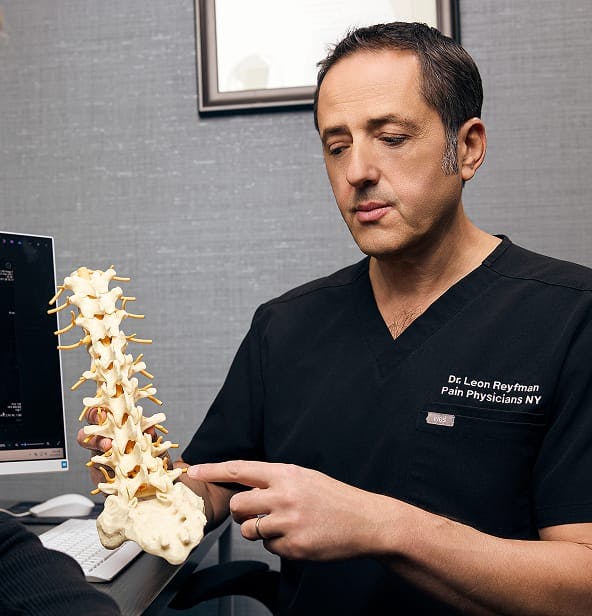
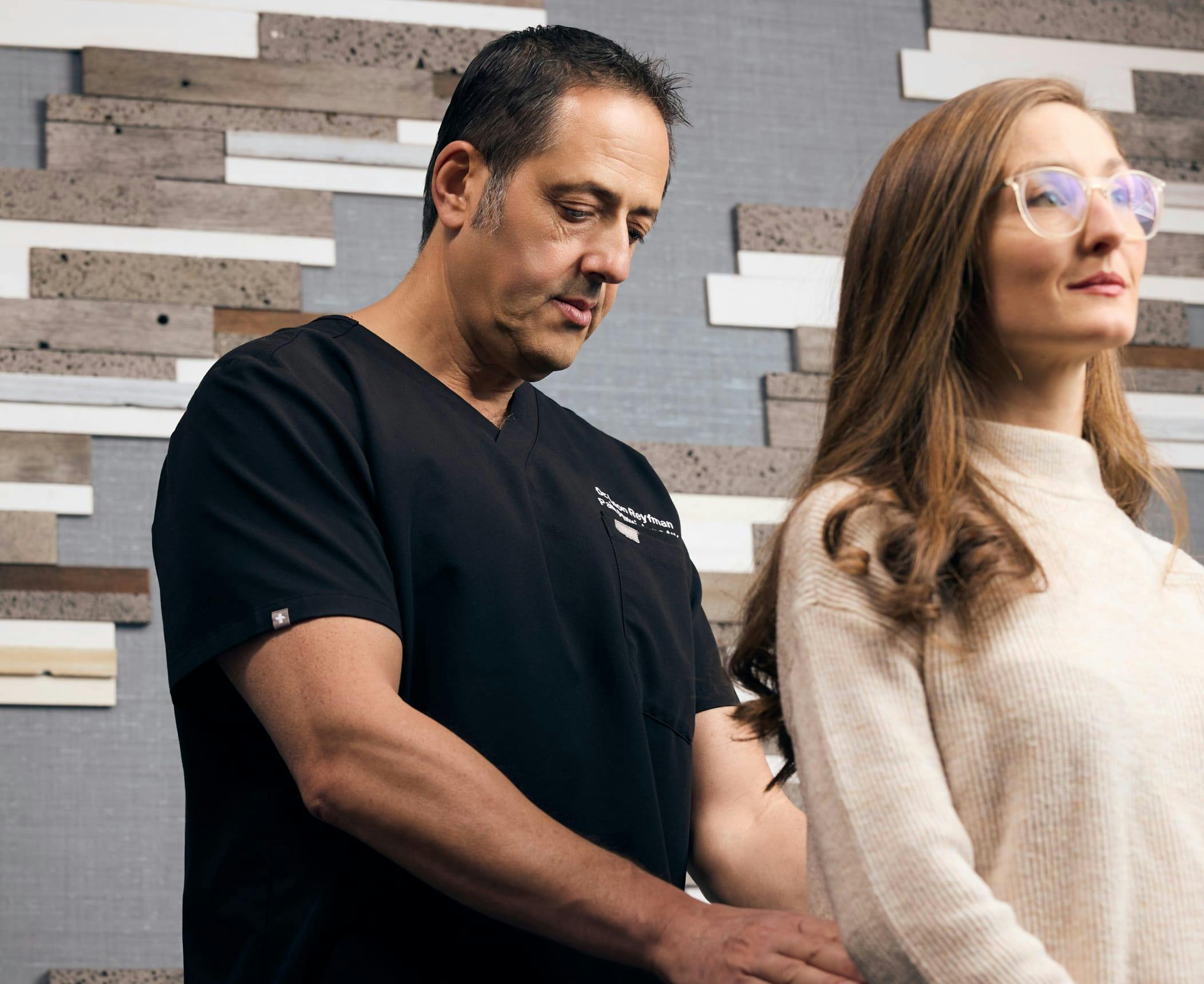
A Regenerative Alternative to Traditional Epidural Injections

Epidural injections are commonly used to address spine-related pain, but many rely on steroids that provide temporary relief without supporting long-term healing. Epidural PRP treatment represents a different approach—one focused on calming inflammation and supporting tissue recovery using your body’s own biologic resources. At Regen Axis Health, our board-certified physicians provide advanced epidural PRP treatment for patients with neck, back, and nerve-related pain who want a non-surgical, regenerative solution. Schedule a consultation with Regen Axis Health to explore whether epidural PRP is right for you.

What Is Epidural PRP Treatment?

Epidural PRP treatment involves injecting platelet-rich plasma (PRP) into the epidural space surrounding irritated spinal nerves. PRP is created from a small sample of your own blood that is processed to concentrate platelets and growth factors known to support healing and reduce inflammation.

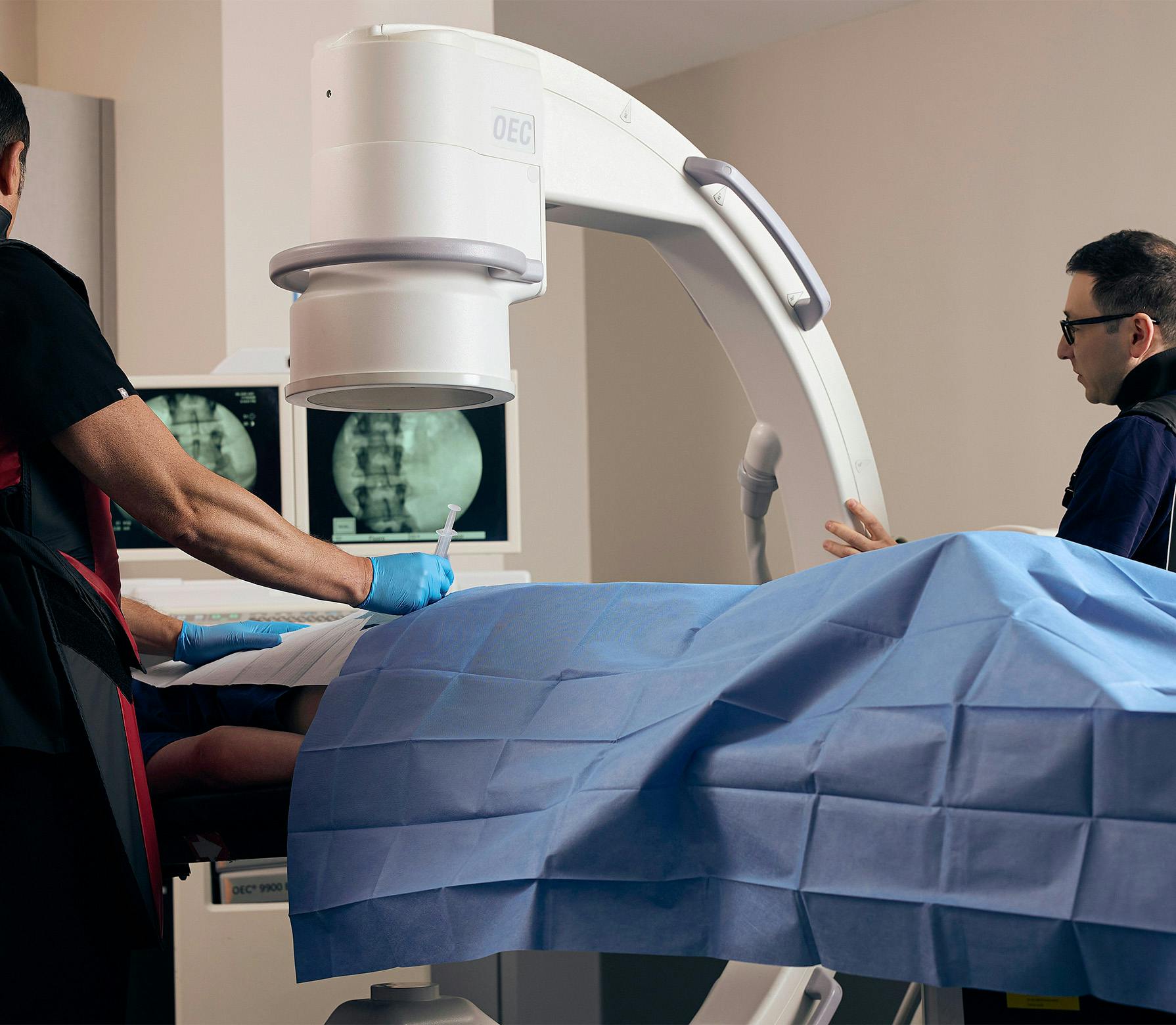
Unlike traditional epidural injections that rely on corticosteroids, epidural PRP focuses on improving the local environment around spinal nerves. The goal is to calm chronic inflammation, support tissue repair, and promote longer-lasting relief. At Regen Axis Health, epidural PRP is performed using advanced imaging guidance to ensure precision and safety.

Banner media

Epidural Platelet Lysate as a Nerve-Focused Option

In some cases, platelet lysate may be used instead of or alongside PRP during epidural treatment. Platelet lysate is a cell-free biologic derived from PRP that contains concentrated growth factors without intact platelets. This formulation allows for broader dispersion within the epidural space and is often preferred when treating sensitive or inflamed nerve tissue.

At Regen Axis Health, our physicians determine whether PRP or platelet lysate is the most appropriate option based on the patient’s diagnosis, anatomy, and degree of nerve irritation. Both approaches align with our regenerative-first philosophy and avoid the use of steroids.

doctor injecting a patient

How Epidural PRP Differs From Steroid Epidural Injections

Traditional epidural injections typically use steroids to suppress inflammation. While this may provide temporary pain relief, steroids do not support tissue healing and may weaken surrounding structures when used repeatedly. Epidural PRP treatment differs in several important ways:

  • Uses your body’s own biologic material rather than synthetic medication
  • Focuses on supporting healing instead of suppressing symptoms
  • Avoids the potential side effects of repeated steroid exposure
  • May provide longer-lasting improvement for some patients

This regenerative approach aligns with Regen Axis Health’s philosophy of healing first and preventing unnecessary surgery.

Same-day appointments. Walk-ins welcome. Relief starts now.

Conditions Treated With Epidural PRP

Epidural PRP treatment may be appropriate for a variety of spine-related and nerve conditions, including:

  • Herniated or bulging discs
  • Degenerative disc disease
  • Chronic back or neck pain
  • Radiculopathy and sciatica
  • Nerve root inflammation
  • Post-surgical spine pain

Because epidural PRP addresses inflammation around spinal nerves, it is often considered when nerve irritation is a primary driver of pain.

Banner media

How Epidural PRP Works

When PRP is delivered into the epidural space, growth factors released from platelets interact with surrounding tissues. These signals may help:

  • Reduce inflammatory chemical signaling
  • Support repair of irritated nerve tissues
  • Improve blood flow and cellular activity
  • Promote a healthier spinal environment

Rather than numbing pain temporarily, epidural PRP aims to support the body’s natural recovery processes over time.

A leaf close up
Contact us media

“Phenomenal staff and experience! I am so grateful for my experience and all the care that was given to me during my visits. Dr. Reyfman is the best pain management physician.”

Stephanie Norris

Contact us media

Who Is a Candidate for Epidural PRP Treatment?

Epidural PRP treatment may be appropriate for patients who:

  • Have chronic neck or back pain related to nerve irritation
  • Have not achieved lasting relief from traditional treatments
  • Want to avoid steroid-based injections
  • Are seeking non-surgical options before considering surgery
  • Are medically appropriate candidates for regenerative care

A comprehensive evaluation is required to determine whether epidural PRP is the right choice for your specific condition.

Banner media

How Epidural PRP Treatment Is Performed at Regen Axis Health

At Regen Axis Health, epidural PRP treatment is physician-led and performed with precision. The process typically includes:

  • A small blood draw to prepare PRP
  • Advanced imaging guidance to identify the correct epidural space
  • Careful injection of PRP near the affected nerve roots
  • Post-procedure guidance to support recovery

The procedure is minimally invasive and typically performed on an outpatient basis.

What to Expect After Epidural PRP Treatment

Unlike steroid injections, epidural PRP does not produce immediate numbing relief. Instead, improvement often occurs gradually as inflammation decreases and healing processes activate. Patients may experience:

  • Temporary soreness or pressure at the injection site
  • Gradual reduction in pain over weeks to months
  • Improved tolerance for movement and activity

Our team provides clear guidance on activity modification and follow-up to support optimal results.

How Epidural PRP Fits Into a Regenerative Treatment Plan

Epidural PRP is often part of a broader regenerative strategy. Depending on your condition, treatment plans may also include:

  • Intradiscal PRP
  • Peripheral nerve PRP
  • Regenerative laser therapy
  • Shockwave therapy
  • Photomodulation or red light therapy

This comprehensive approach allows Regen Axis Health to address multiple contributors to pain rather than relying on a single intervention.

Banner media
Doctor media

Why Choose Regen Axis Health for Epidural PRP Treatment?

Regen Axis Health was founded by Dr. Leon Reyfman, an internationally recognized leader in interventional pain and regenerative spine care, and is supported by a team of board-certified physicians with advanced training in image-guided spine procedures. Every epidural PRP treatment is physician-performed and guided by a regenerative-first philosophy focused on restoring function and preventing surgery. With high-access scheduling across multiple locations, Regen Axis Health delivers advanced epidural PRP treatment in a setting designed for precision, safety, and patient-centered care.

Explore regenerative alternatives to traditional epidural injections by scheduling an epidural PRP consultation with Regen Axis Health today.

Frequently Asked Questions Epidural PRP

Is epidural PRP the same as a steroid epidural injection?

No. Epidural PRP uses platelet-rich plasma derived from your own blood, while traditional epidural injections rely on corticosteroids to suppress inflammation temporarily.

How long does it take to see results from epidural PRP?

Improvement is typically gradual and may develop over several weeks to months as inflammation decreases and tissues recover.

Is epidural PRP safe?

When performed by experienced, board-certified physicians using image guidance, epidural PRP is considered a safe regenerative procedure for appropriate candidates.

How many epidural PRP treatments are needed?

The number of treatments varies depending on the condition and response. Some patients benefit from a single injection, while others may require additional treatment.

Can epidural PRP help avoid spine surgery?

In some cases, yes. By reducing nerve inflammation and supporting healing, epidural PRP may help patients delay or avoid surgical intervention.

Contact us media
Accessibility: If you are vision-impaired or have some other impairment covered by the Americans with Disabilities Act or a similar law, and you wish to discuss potential accommodations related to using this website, please contact our Accessibility Manager at (212) 235-1599.
Contact Us