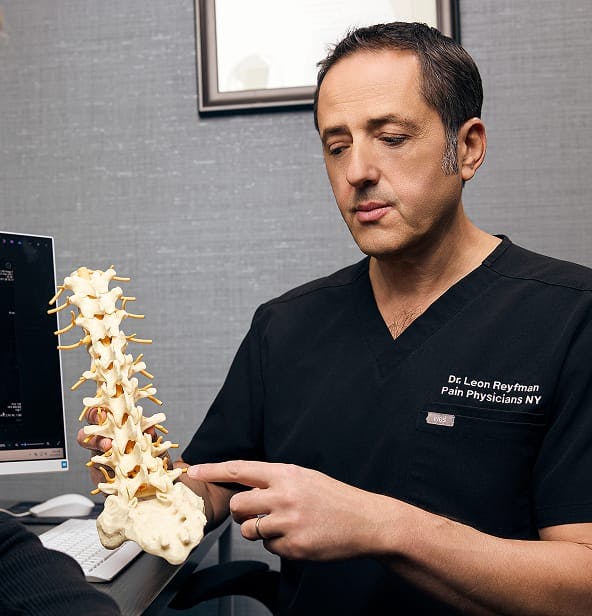
Regenerative Joint Care Designed to Preserve Movement

Joint pain often develops when cartilage, bone, and surrounding tissues become inflamed or degenerate over time. Whether caused by arthritis, injury, or repetitive stress, joint pain can limit mobility and gradually affect quality of life. At Regen Axis Health, our board-certified physicians provide advanced intra-articular PRP treatment as a non-surgical, regenerative solution designed to support joint health from the inside out. Schedule a consultation with Regen Axis Health to explore whether intra-articular PRP is appropriate for your joint condition.

What Is Intra-Articular PRP Treatment?

Intra-articular PRP treatment involves injecting platelet-rich plasma directly into a joint space. PRP is derived from a small sample of your own blood and processed to concentrate platelets and growth factors that play a role in healing and inflammation modulation.

When PRP is delivered into the joint, these biologic signals interact with cartilage, synovial tissue, and surrounding structures.

Rather than masking pain, intra-articular PRP aims to improve the joint environment by reducing inflammatory signaling and supporting tissue health over time.

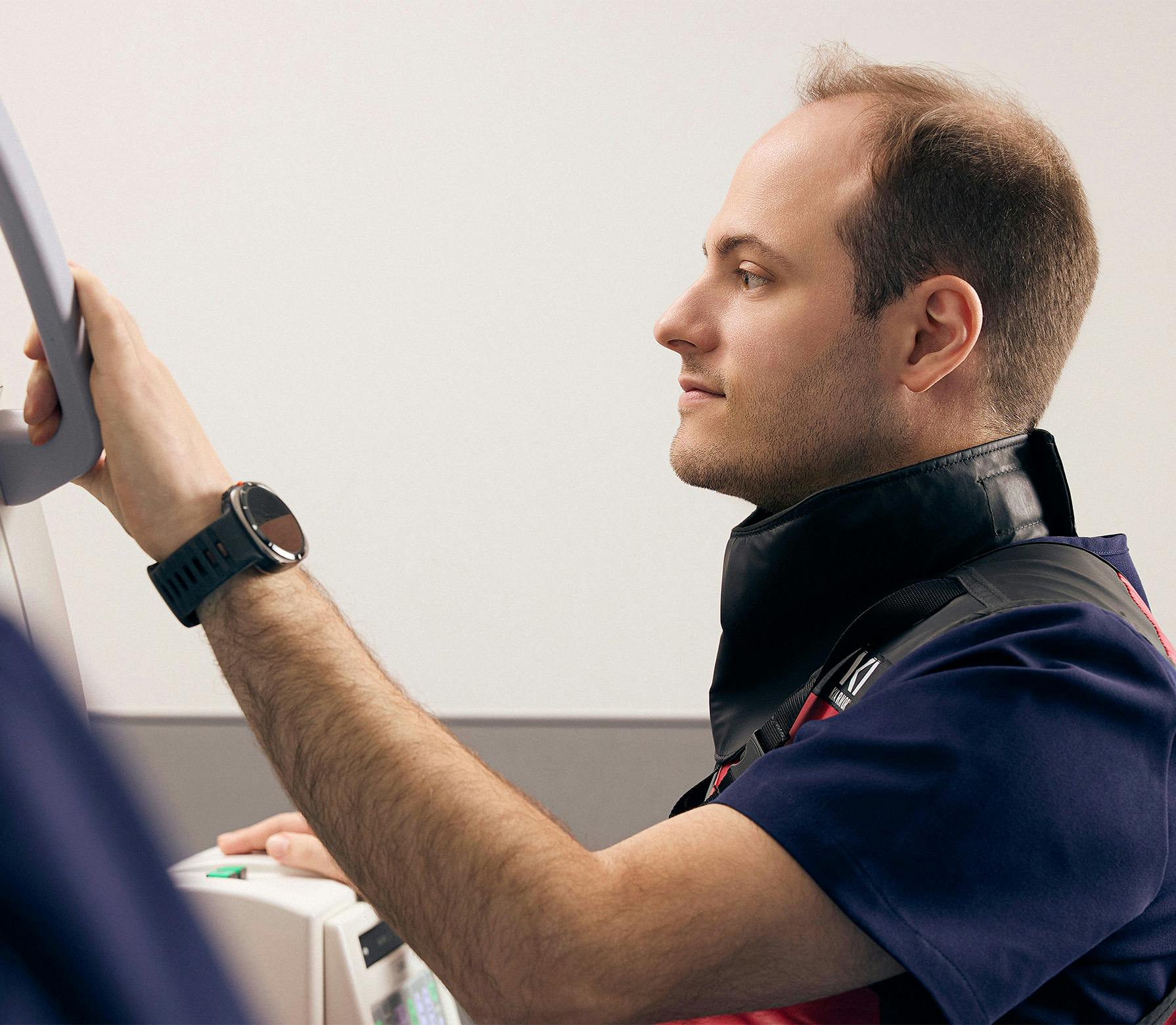
At Regen Axis Health, intra-articular PRP injections are performed using image guidance to ensure precision, accuracy, and safety.

Banner media

How Intra-Articular PRP Differs From Traditional Joint Injections

Traditional joint injections often rely on corticosteroids to temporarily suppress inflammation. While this may reduce pain in the short term, steroids do not support tissue repair and may accelerate joint degeneration with repeated use.

Intra-articular PRP treatment takes a different approach. By using biologic material derived from your own blood, PRP supports healing processes rather than suppressing symptoms. This regenerative strategy aligns with Regen Axis Health’s focus on joint preservation and long-term function.

doctor using a medical machine

Conditions Treated With Intra-Articular PRP

Intra-articular PRP treatment may be used to address a range of joint conditions where inflammation, degeneration, or injury is contributing to pain and loss of function, including:

  • Osteoarthritis of weight-bearing joints such as the knee and hip
  • Shoulder arthritis and degenerative joint changes
  • Cartilage wear and early joint degeneration
  • Post-injury joint pain following ligament, tendon, or labral injury
  • Chronic joint inflammation that has not responded to conservative care

Because joint pain often involves multiple contributing factors, intra-articular PRP is frequently incorporated into a broader regenerative treatment plan rather than used as a standalone therapy.

The Role of Intraosseous PRP and BMAC in Joint Care

In some cases, joint pain is driven not only by cartilage damage but also by changes within the underlying bone. When this occurs, intraosseous injections may be recommended in addition to intra-articular PRP.

Intraosseous PRP involves delivering platelet-rich plasma directly into the bone beneath the joint surface, targeting bone-related pain and degeneration that may not respond fully to joint-space injections alone.

For more advanced cases, bone marrow aspirate concentrate (BMAC) may be used alongside PRP. BMAC contains regenerative cells and growth factors that support bone and joint health, particularly when arthritis or degeneration has progressed beyond the cartilage surface.

At Regen Axis Health, the decision to include intraosseous PRP or BMAC is made by board-certified physicians based on imaging, symptom patterns, and overall joint health.

Banner media

How Intra-Articular PRP Works

When PRP is introduced into a joint, platelets release growth factors that interact with local cells and tissues. These signals may help reduce inflammatory chemical activity, improve joint lubrication, support cartilage health, and create a more favorable environment for movement.

Because PRP works by supporting biologic processes, improvement is typically gradual rather than immediate. This allows the joint to respond naturally over time.

Contact us media

“Dr. Reyfman is great. Looked his office up through Google and have been going back ever since.”

Jenny Hall

Contact us media

Who Is a Candidate for Intra-Articular PRP Treatment?

Intra-articular PRP treatment may be appropriate for patients who have chronic joint pain related to arthritis or injury, have not achieved lasting relief from conservative care, want to avoid steroid injections, or are seeking non-surgical options before considering joint replacement.

A comprehensive evaluation at Regen Axis Health is essential to determine whether PRP alone or a combination approach, including intraosseous PRP or BMAC is most appropriate.

Same-day appointments. Walk-ins welcome. Relief starts now.

How Intra-Articular PRP Is Performed at Regen Axis Health

At Regen Axis Health, intra-articular PRP treatment is physician-led and performed with precision. The process typically includes a blood draw to prepare PRP, image-guided injection into the joint space, and post-procedure guidance to support recovery.

When intraosseous treatment is included, additional image guidance is used to deliver PRP or BMAC safely into the targeted bone regions. All procedures are performed on an outpatient basis.

What to Expect After Intra-Articular PRP Treatment

Following treatment, patients may experience temporary soreness, swelling, or stiffness in the treated joint. This typically resolves over several days.

Improvement often develops gradually over weeks to months as inflammation decreases and joint tissues respond to regenerative signaling. Activity modification and guided movement recommendations play an important role during this recovery period.

Background media

How Intra-Articular PRP Fits Into a Regenerative Joint Plan

Intra-articular PRP is often combined with other regenerative therapies depending on the joint and condition being treated. These may include intraosseous PRP or BMAC, shockwave therapy, regenerative laser therapy, photomodulation, or movement-focused rehabilitation strategies.

This comprehensive approach allows Regen Axis Health to address both surface-level and deeper contributors to joint pain.

Results of Intra-Articular PRP Treatment

Results of intra-articular PRP treatment vary depending on the joint involved, severity of degeneration, and whether intraosseous PRP or BMAC is included. Many patients experience meaningful improvement in pain, joint stability, and functional movement over time.

Because PRP and BMAC support biologic healing rather than temporary symptom suppression, results may continue to evolve over several months following treatment.

whispy plant
Doctor media

Why Choose Regen Axis Health for Intra-Articular PRP Treatment?

Regen Axis Health was founded by Dr. Leon Reyfman, an internationally recognized leader in interventional pain and regenerative joint care, and is supported by a team of board-certified physicians with advanced training in image-guided joint procedures. Every intra-articular PRP treatment is physician-performed and guided by a regenerative-first philosophy focused on preserving joints and preventing surgery. With high-access scheduling across multiple locations, Regen Axis Health delivers advanced intra-articular PRP treatment in a setting designed for precision, safety, and patient-centered care.

Explore regenerative solutions for joint pain by scheduling an intra-articular PRP consultation with Regen Axis Health today.

Frequently Asked Questions Intra-Articular PRP

Is intra-articular PRP the same as a steroid joint injection?

No. Intra-articular PRP uses biologic material from your own blood to support healing, while steroid injections temporarily suppress inflammation without supporting tissue repair.

How long does it take to see results from intra-articular PRP treatment?

Improvement is typically gradual and may develop over several weeks to months as joint inflammation decreases and tissue health improves.

What is the difference between intra-articular and intraosseous injections?

Intra-articular injections target the joint space itself, while intraosseous injections address the underlying bone that may contribute to joint pain and degeneration.

Can intra-articular PRP help avoid joint replacement surgery?

In some cases, yes. By reducing pain and improving joint function, PRP-based treatments may help delay or avoid surgery for certain patients.

Is intra-articular PRP safe?

When performed by experienced, board-certified physicians using image guidance, intra-articular PRP and intraosseous treatments are considered safe for appropriately selected patients.

Contact us media
Accessibility: If you are vision-impaired or have some other impairment covered by the Americans with Disabilities Act or a similar law, and you wish to discuss potential accommodations related to using this website, please contact our Accessibility Manager at (212) 235-1599.
Contact Us